

Tehran Travel Guide: Essential Attractions & Visiting Tips
Rising in the shadow of ancient Ray at the base of the Alborz range, Tehran transformed from a quiet provincial settlement into the sovereign political and cultural epicenter of modern Iran.
Overview & Fast Facts
Using a complete Tehran travel guide is the best way to navigate Iran’s dynamic, bustling capital city. Located against the dramatic backdrop of the Alborz Mountain range, Tehran serves as the political, economic, and cultural heart of the nation. It is a modern metropolis where centuries of Persian history blend seamlessly with vibrant contemporary street life, rich artistic centers, and world-class culinary experiences. Whether you are exploring lavish royal palaces or sipping traditional tea in upscale northern neighborhoods, this city offers an unforgettable start to any journey through Iran.
Fast Facts at a Glance
Feature Detail
Top Attractions & Historic Landmarks
No Tehran travel guide is complete without exploring the capital’s incredible collection of royal palaces, historic bazaars, and modern entertainment hubs. Furthermore, Tehran offers a fascinating visual contrast between centuries of Persian heritage and dynamic 20th-century urban expansion.
Here are the essential attractions and things to do in Tehran to include in your itinerary:
1. Golestan Palace (UNESCO World Heritage Site)
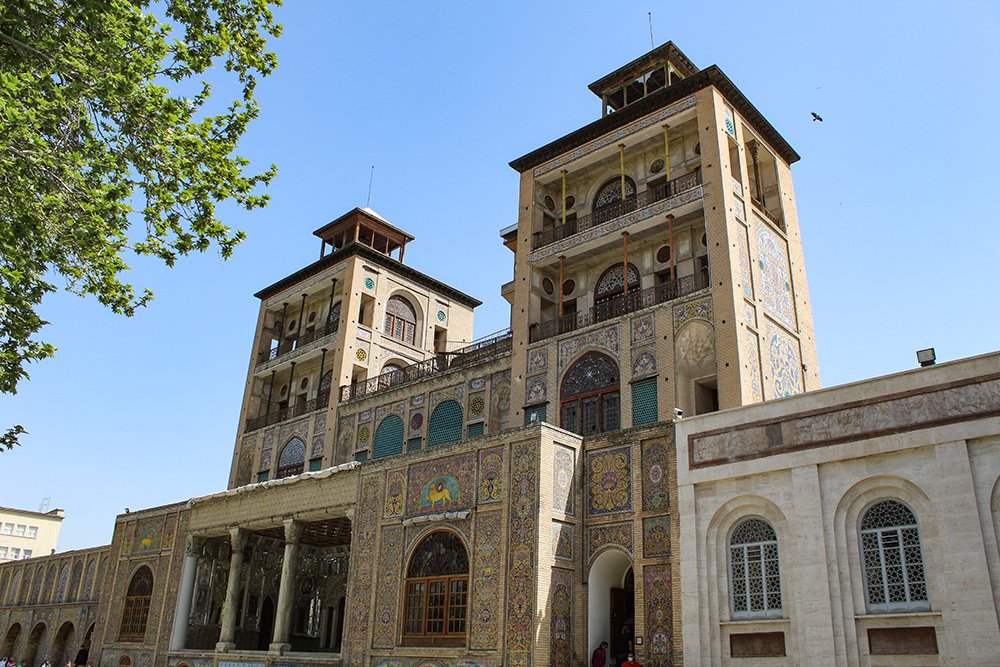
The magnificent Golestan Palace is the ultimate symbol of Qajar-era opulence and one of the oldest historical complexes in Tehran. Moreover, this lavish complex, located near Arg Square, features ornate mirror-worked halls, manicured Persian gardens, and vibrant hand-painted mosaic tiles.
• Key Highlights: Marble Throne Terrace (Takht-e Marmar), Mirror Hall (Talar-e Aineh), and Shams-ol-Emareh (Edifice of the Sun).
• Best For: Photography, history lovers, and classic Persian-European fusion architecture.
2. The Grand Bazaar of Tehran
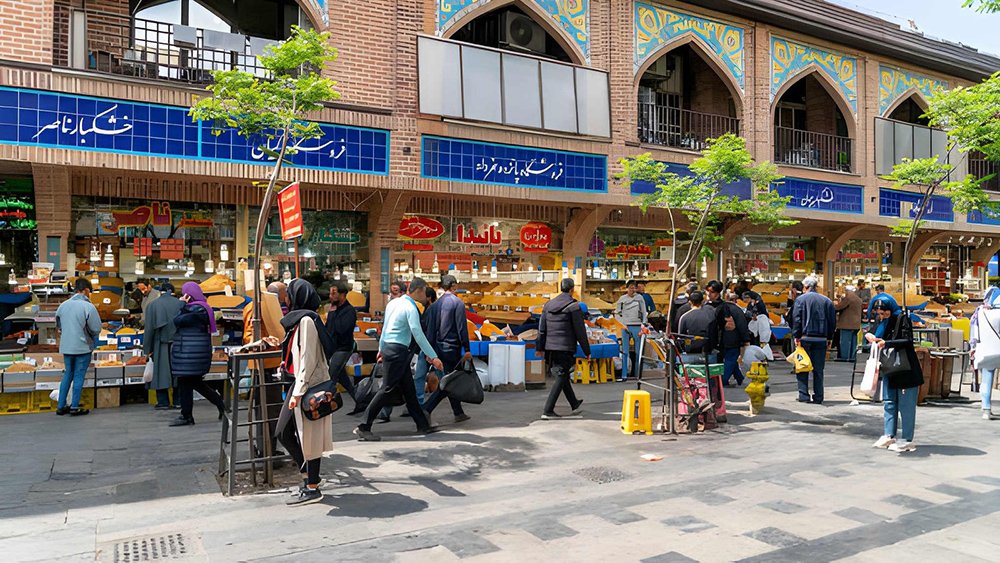
Stepping into the Grand Bazaar of Tehran (Bazaar-e Bozorg) is an immersive journey into the commercial heartbeat of the city. Moreover, this labyrinthine market stretches across more than 10 kilometers of covered vaulted corridors and features specialized alleyways for carpets, spices, gold, copper, and traditional handicrafts.
• Key Highlights: Timcheh-ye Amin al-Dowleh architecture, historic tea houses (Chai Khaneh), and Moslem Restaurant.
• Best For: Authentic shopping, local street culture, and traditional Persian food.
3. National Museum of Iran
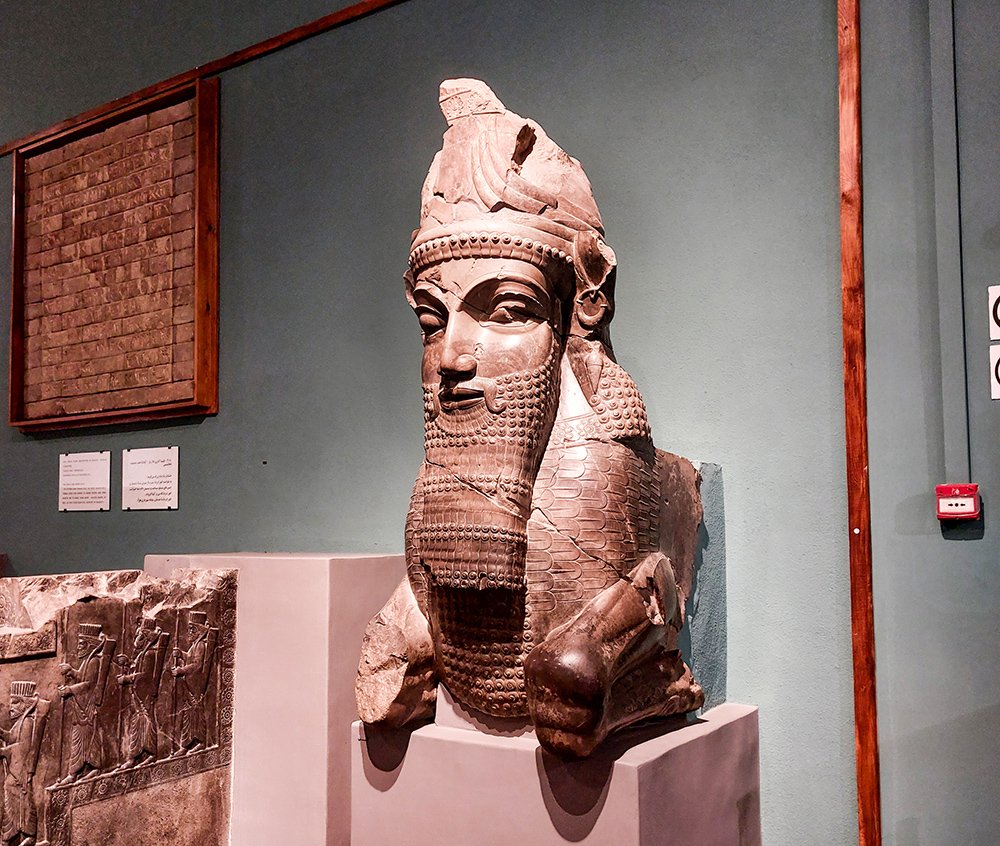
As the country’s flagship archaeological museum, the National Museum of Iran preserves over 30,000 years of Persian civilization. Furthermore, visitors can explore two main buildings: the Museum of Ancient Iran, designed by French architect André Godard in pre-Islamic Sassanian style, and the Museum of the Islamic Era.
• Key Highlights: The mysterious Salt Man of Zanjan, Achaemenid stone reliefs from Persepolis, and Bronze Age pottery.
• Best For: History buffs and ancient archaeological treasures.
4. Azadi Tower (Freedom Monument)
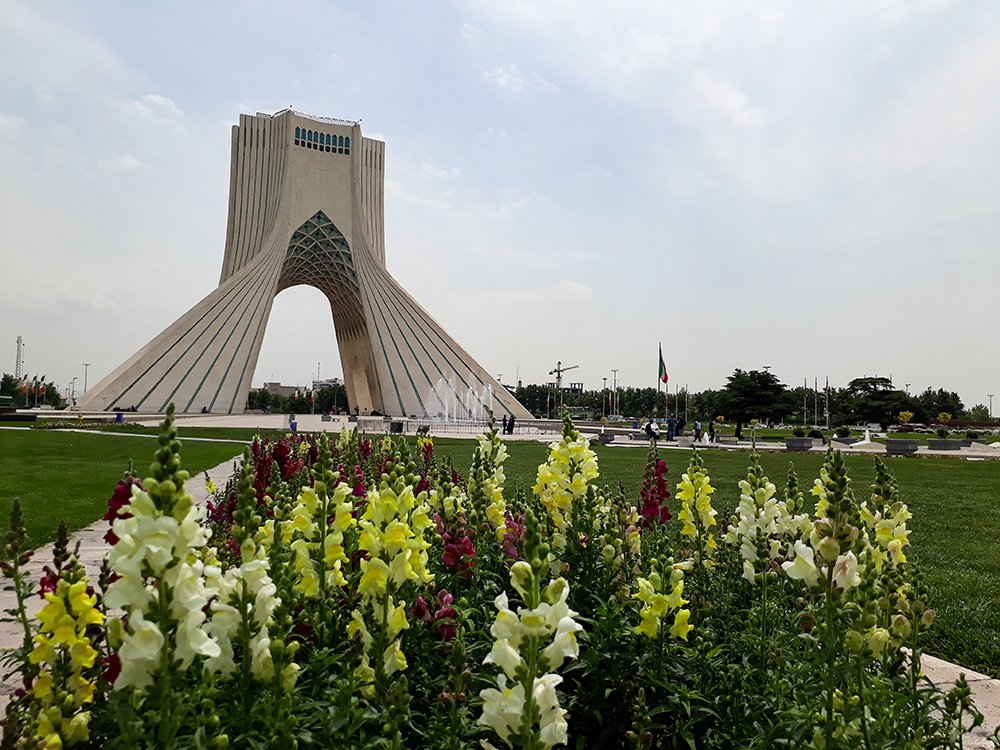
Built in 1971, the Azadi Tower stands as the ultimate icon of modern Tehran. Designed by architect Hossein Amanat, the 45-meter-tall inverted-Y structure combines traditional Islamic arch motifs with sleek white Isfahan marble blocks.
• Key Highlights: Underground museum gallery and an observation deck offering panoramic views across west Tehran.
• Best For: Sunset photography and architectural sightseeing.
5. Treasury of National Jewels
Located inside the Central Bank of Iran, the Treasury of National Jewels houses one of the most valuable gemstone and royal jewelry collections in the world.
• Key Highlights: The Daria-i-Noor (Sea of Light pink diamond), the Sun Throne, and the 34-kilogram Globe of Jewels.
• Note for Visitors: Opening hours are strictly controlled by the Central Bank; confirm operating days in advance.
6. Carpet Museum of Iran
Situated adjacent to Laleh Park, the Carpet Museum of Iran displays a world-renowned collection of Persian hand-woven carpets dating from the 16th century to the modern era. Furthermore, visitors can admire the building’s unique exterior architecture, which was designed to resemble a traditional carpet loom while providing natural shade.
• Key Highlights: Rare Safavid and Qajar silk carpets featuring intricate mythological motifs and historical court scenes.
• Best For: Textile enthusiasts, art historians, and cultural appreciation.
7. Velenjak & Tochal Telecabin
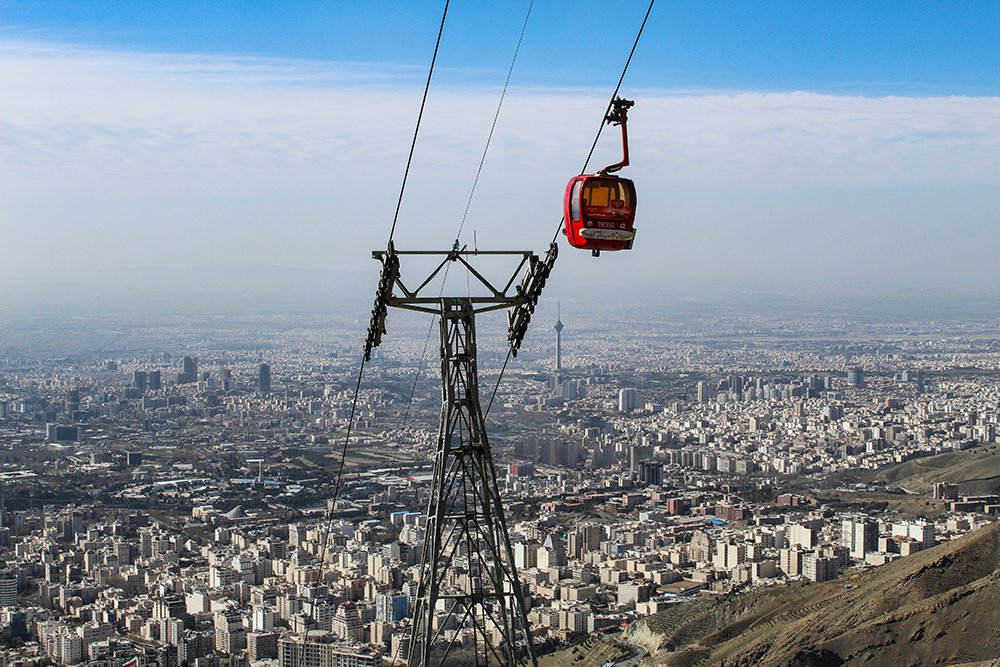
Located in the northern foothills of the Alborz mountain range, Velenjak is an affluent neighborhood known for its fresh mountain air, scenic hiking paths, and the popular Tochal Complex. It is the primary escape for locals seeking outdoor recreation away from the city center.
• Key Highlights: Tochal Telecabin (one of the world’s longest gondola lift lines), Tochal Ski Resort, archery, zip-lining, and scenic walking trails.
• Best For: Nature walks, winter sports, mountain hiking, and panoramic alpine views.
8. Persian Gulf Lake (Chitgar Lake)
Located in western Tehran, Persian Gulf Lake (also known as Chitgar Lake) is the largest artificial lake in Iran. Furthermore, this modern recreational hub offers visitors more than 130 hectares of open space, including walking promenades, bicycle paths, and the stylish Bam Land outdoor shopping complex.
• Key Highlights: Boat rides on the lake, lakeside dining at Bam Land cafes, cycling trails, and sunset views over the water.
• Best For: Evening walks, leisure dining, family outings, and modern outdoor entertainment.
9. Milad Tower (Tehran International Tower)
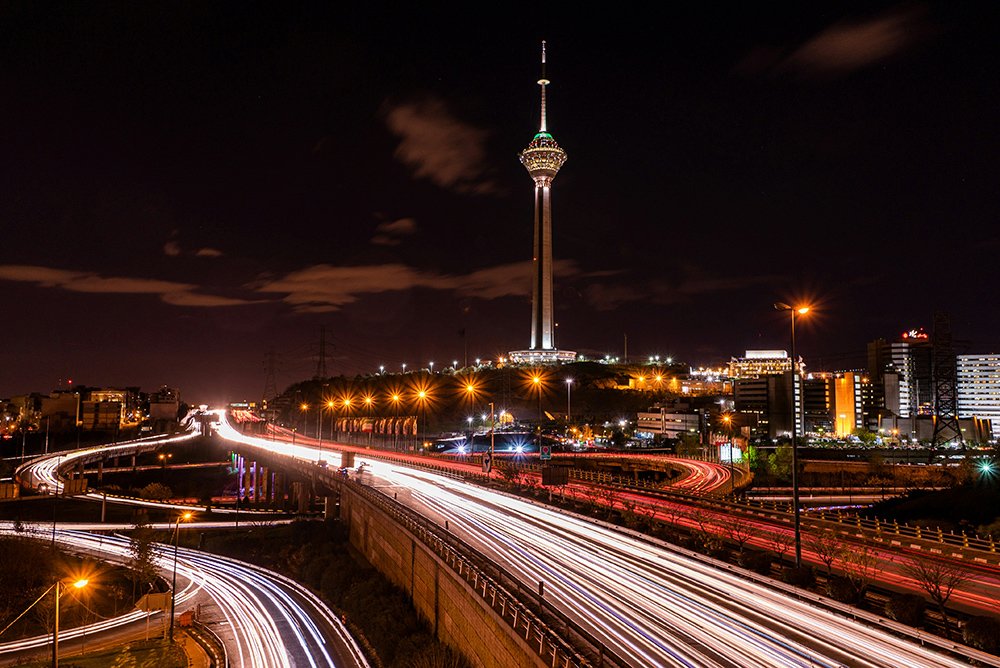
Reaching 435 meters into the sky, Milad Tower is the sixth-tallest telecommunication tower in the world and a prominent symbol of Tehran’s modern skyline.
• Key Highlights: Revolving restaurant, 360-degree open-air observation deck, wax museum, and night light displays.
• Best For: Nighttime city views and modern entertainment.
10. Sa’dabad Complex & Niavaran Palace
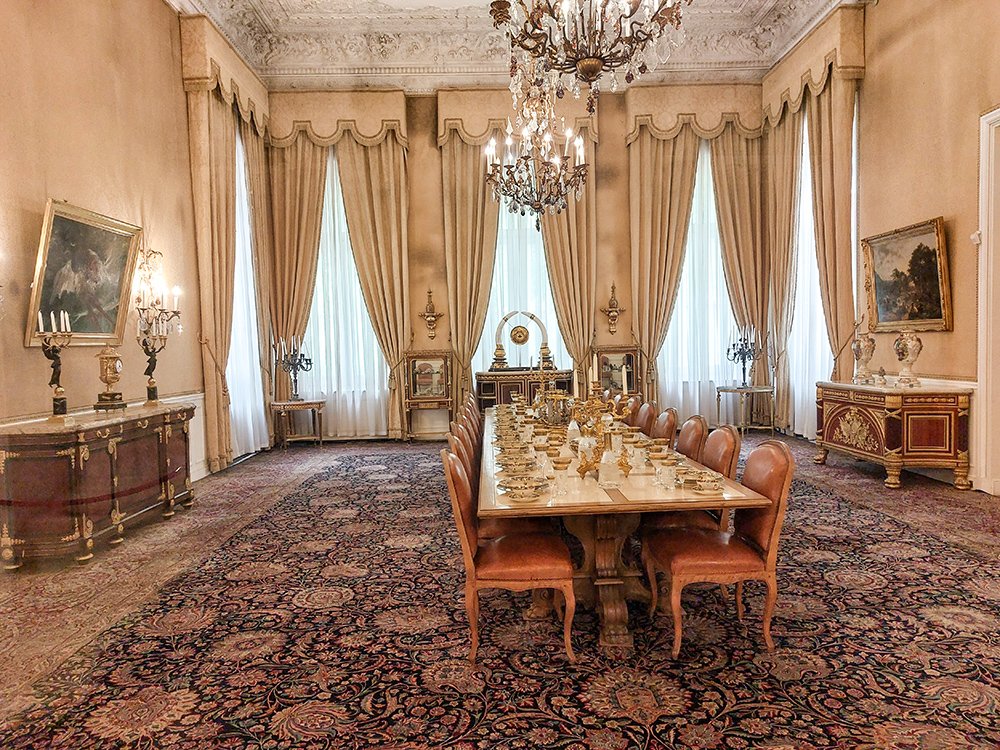
Located in the cool, tree-lined foothills of Shemiran in northern Tehran, these sprawling royal parklands served as the summer residences for Iran’s Qajar and Pahlavi dynasties.
• Sa’dabad Complex: Features 18 historical palaces spread across 110 hectares of forest parkland.
• Niavaran Palace: Offers an intimate look into mid-20th-century modernist royal living and personal art collections.
Culture, Architecture & Daily Life
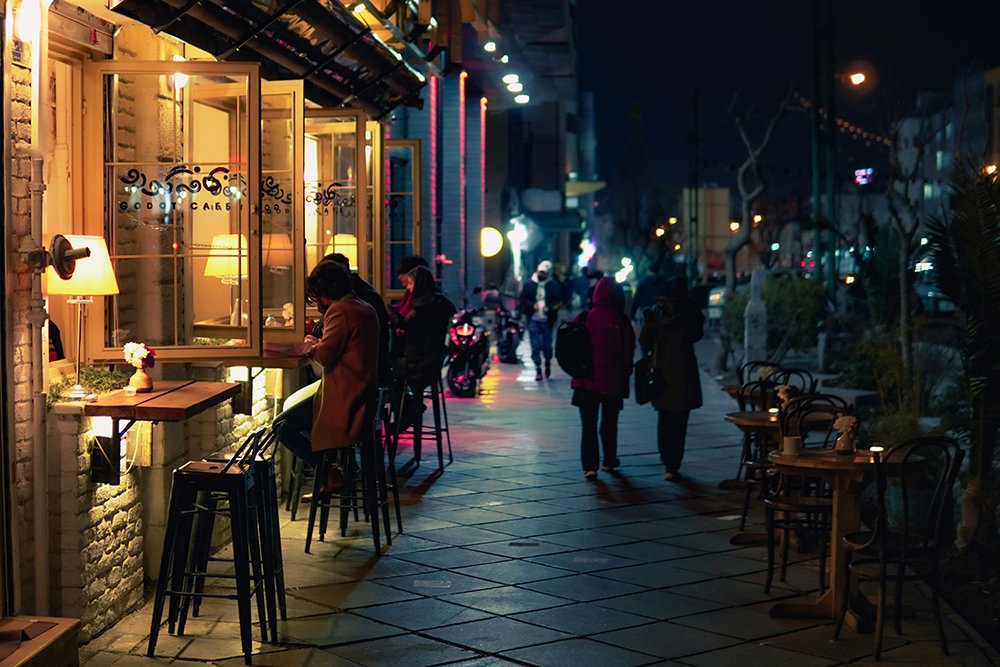
To truly understand the capital through any comprehensive Tehran travel guide, one must look beyond ancient monuments and experience the city’s living, breathing culture. Furthermore, Tehran is a dynamic urban landscape where traditional Persian customs blend with a bold, forward-looking younger generation, creating a unique mix of Persian warmth and modern urban energy.
Legendary Persian Hospitality & Street Connections
One of the first things visitors notice in Tehran is the genuine warmth and open curiosity of its residents. Despite the fast pace of capital city life, the tradition of hospitality, including taarof and genuine generosity, remains deeply ingrained. Moreover, travelers often receive warm smiles, helpful directions, or even invitations for a glass of tea from friendly locals in markets and public parks.
The Art of the Tehran Picnic (Sizdah Bedar Spirit Year-Round)
Picnicking is practically a national pastime in Iran, and Tehranis have elevated it to an art form. Moreover, as highlighted in this Tehran travel guide, public parks like Mellat Park, Jamshidieh Stone Garden, and Abo-Atash Park transform into lively outdoor gathering spots on weekends and sunny evenings.
• The Vibe: Families and groups of friends roll out woven carpets on the grass, unpack vacuum flasks of hot tea, and set up small charcoal grills for fresh koobideh or joojeh kebabs.
• Travel Tip: Joining a casual park gathering or sharing tea with locals on the grass offers one of the most authentic glimpses into everyday Tehrani social life.
Modern Women & The New Generation Leading Urban Culture
With over 60% of the population under 35, Tehran is driven by a creative, highly educated youth culture. In particular, young Iranian women play a central role in shaping the city’s modern identity. Moreover, they lead artistic movements, run contemporary design studios, and manage trendsetting specialty cafés. As a result, trendy districts like Ferdowsi, Tajrish, and Valiasr Street showcase modern fashion, street photography, and vibrant public life inspired by this expressive new generation.
Architectural Contrast: Windcatchers to Modernist Marvels
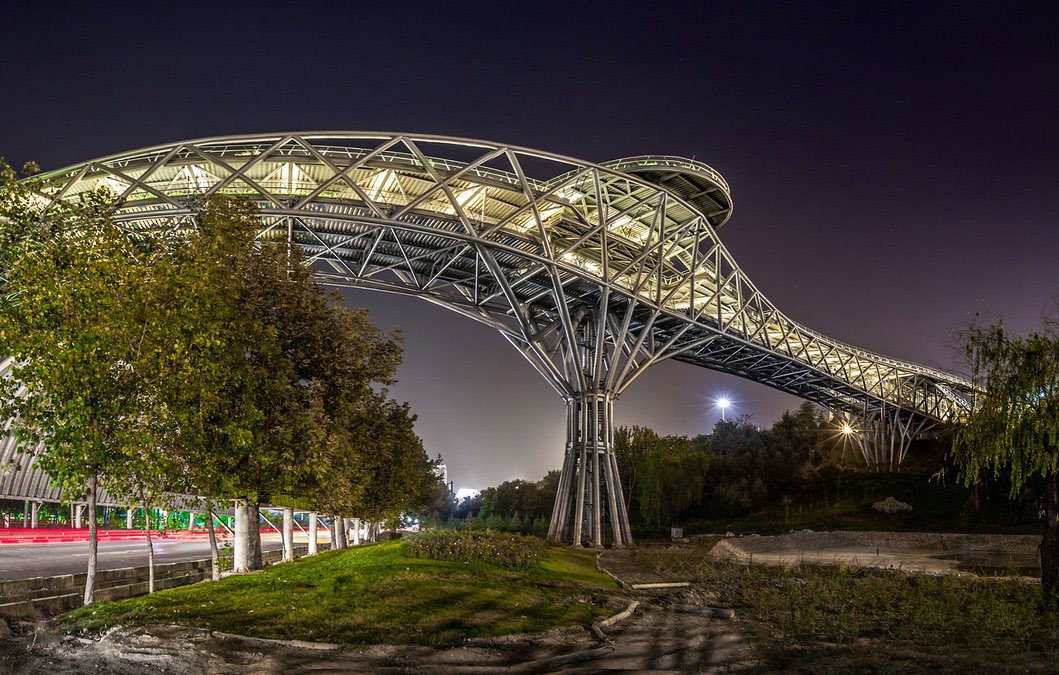
Tehran’s architecture tells the story of Iran’s rapid transition over the past two centuries. In the southern districts near the Grand Bazaar, traditional Persian architecture dominates, featuring heavy brickwork, vaulted ceilings, and historic windcatchers (badgirs).
However, heading north toward the Alborz foothills, the city gradually shifts toward modernist and contemporary designs. Moreover, landmarks like the Tehran Museum of Contemporary Art and the iconic Tabiat Bridge beautifully blend contemporary structures with traditional Persian design philosophies.
Tehran Food & Culinary Highlights
No Tehran travel guide is complete without diving into the city’s extraordinary culinary landscape. Furthermore, as Iran’s capital, Tehran brings together regional recipes from across the country, while offering a thriving street food scene, historic tea houses, and high-end dining experiences.
Iconic Dishes You Must Try
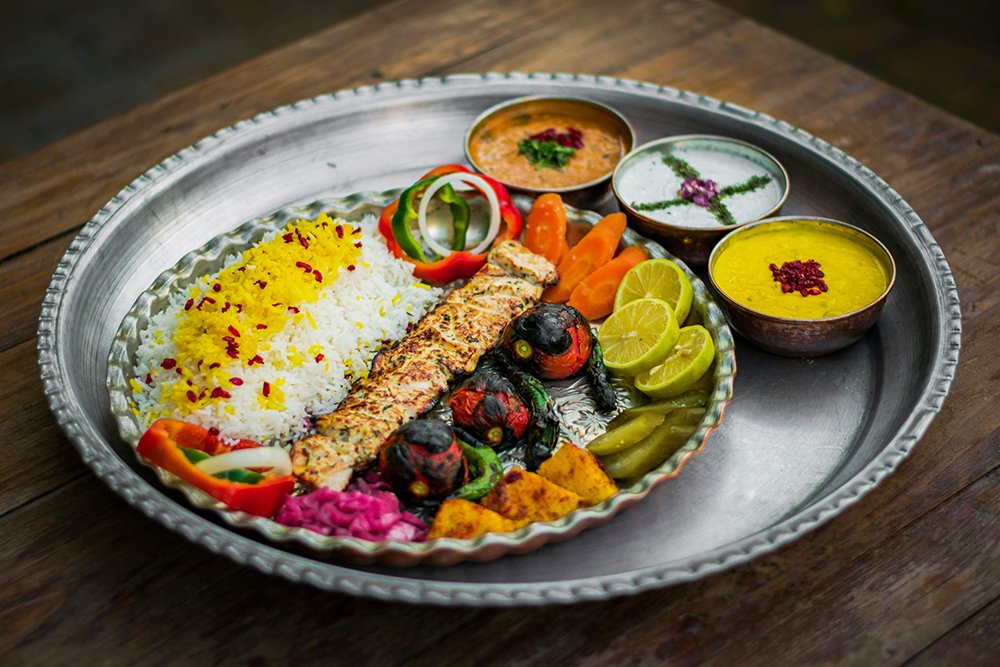
• Chelo Kabab (Koobideh & Barg): The undisputed king of Persian cuisine. Tender ground lamb or beef (Koobideh) or thin strips of marinated fillet (Barg) grilled over open coals and served over buttery, saffron-infused basmati rice with grilled tomatoes.
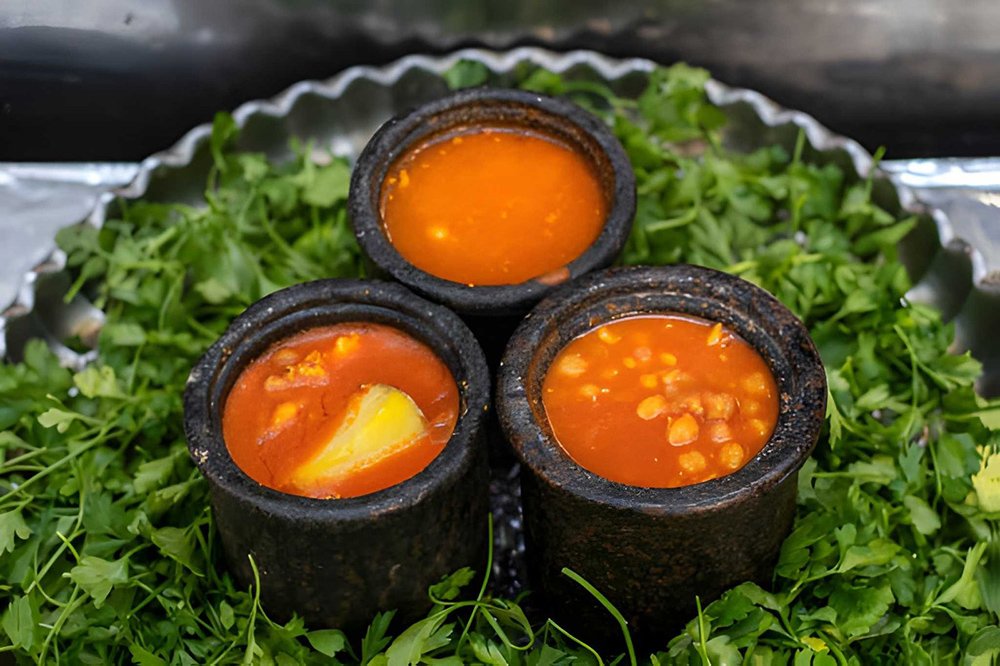
• Dizi (Abgoosht): A traditional, slow-cooked lamb, chickpea, potato, and tomato stew served in a ceramic or stone pot. The rich broth is strained first to eat with crushed flatbread, while the remaining meat and beans are mashed together (Goosht Koobideh).
• Ghormeh Sabzi: Known as Iran’s national dish—a deeply aromatic herb stew packed with parsley, cilantro, fenugreek, dried limes, kidney beans, and tender lamb.
• Tahchin: A savory, baked saffron rice cake layered with yogurt, egg yolks, and spiced chicken, finished with a golden, crispy rice crust (Tahdig).
• Zereshk Polo Ba Morgh: Fluffy saffron rice topped with tart, red barberries cooked in butter and sugar, paired with tender braised chicken.
Street Food Hubs & Nightlife Dining
• Tajrish Bazaar & Square: Located in northern Tehran, Tajrish offers an authentic street food atmosphere. Furthermore, its covered bazaar corridors are packed with fresh spice markets, traditional bakeries, and food stalls serving hot Ash-e Reshteh (noodle herb soup), grilled corn (Balooch), and fresh fruit juices.
• Bab Homayoun Street: Located near the Grand Bazaar, this historic street offers nostalgic local snacks. Furthermore, visitors can discover traditional favorites such as steamed beets (Labi), seasoned fava beans (Baqali), and fresh kebabs wrapped in warm bread.
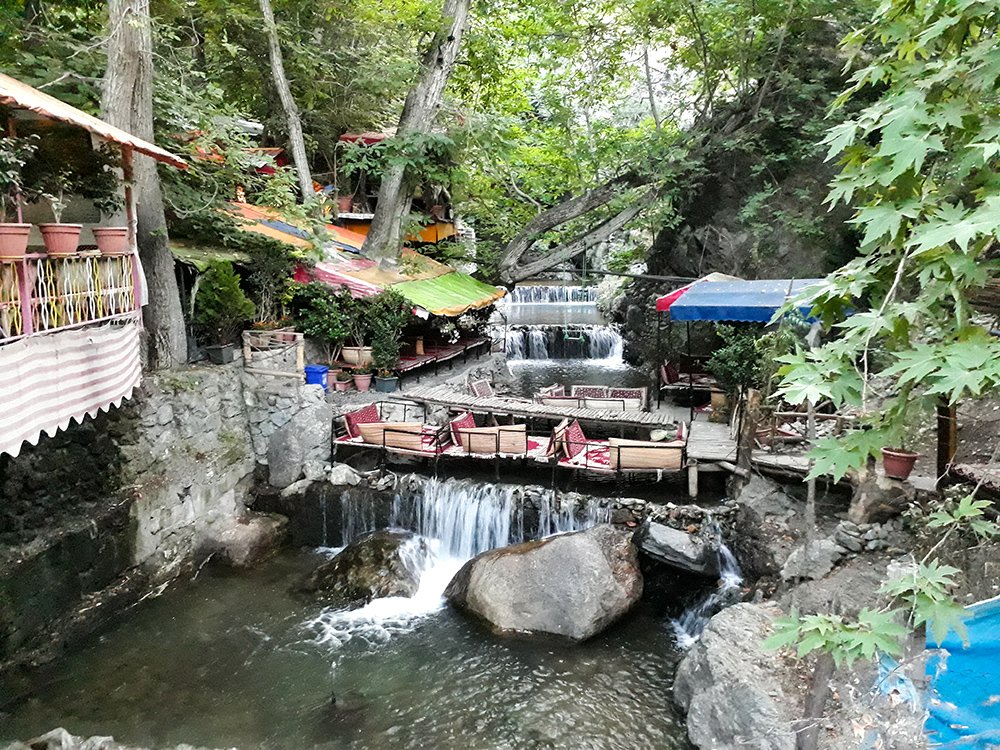
• Darband & Farahzad: These foothill riverside villages feature open-air platforms over running water. Furthermore, they provide the perfect setting for late-night kebabs, traditional tea, and enjoying the fresh mountain air.
Traditional Desserts & Refreshing Drinks
• Bastani Sonnati: This traditional saffron ice cream features rosewater, pistachios, and frozen cream chunks. Moreover, locals often serve it floated in fresh carrot juice as Ab-Hoveij Bastani.
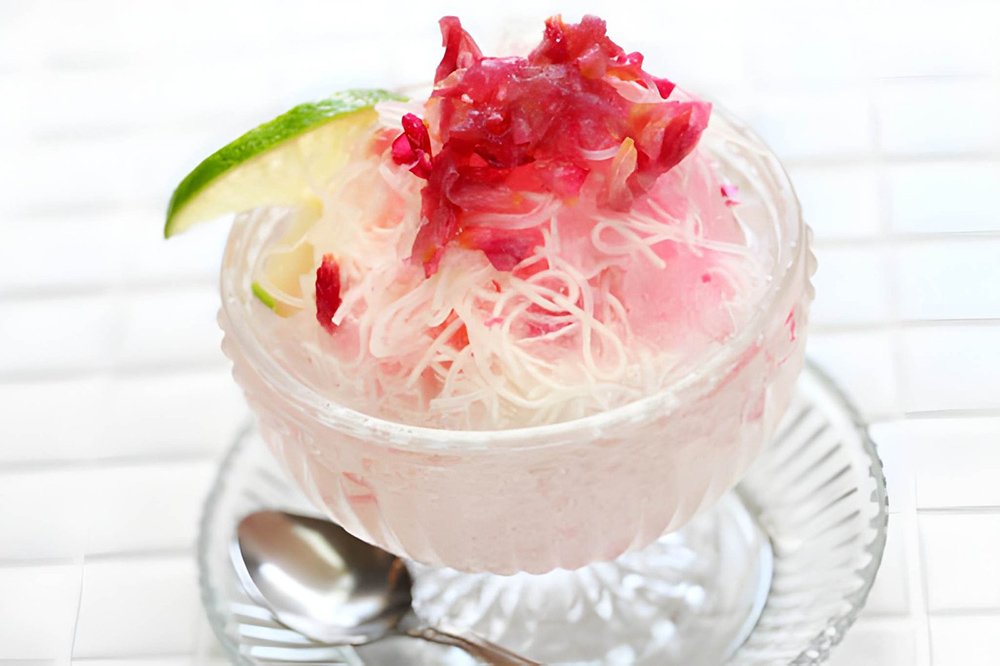
• Faloodeh: This refreshing dessert features frozen starch noodles in cold rosewater syrup. Moreover, travelers can enjoy it finished with fresh lime juice or sour cherry syrup.
• Doogh & Tokhme Sharbati: Refreshing local beverages include Doogh (a chilled savory yogurt drink with dried mint) and Tokhme Sharbati (a sweetened rosewater drink with chia or basil seeds). Moreover, these traditional drinks offer a refreshing way to experience Iran’s local flavors.
Bazaars & Shopping in Tehran
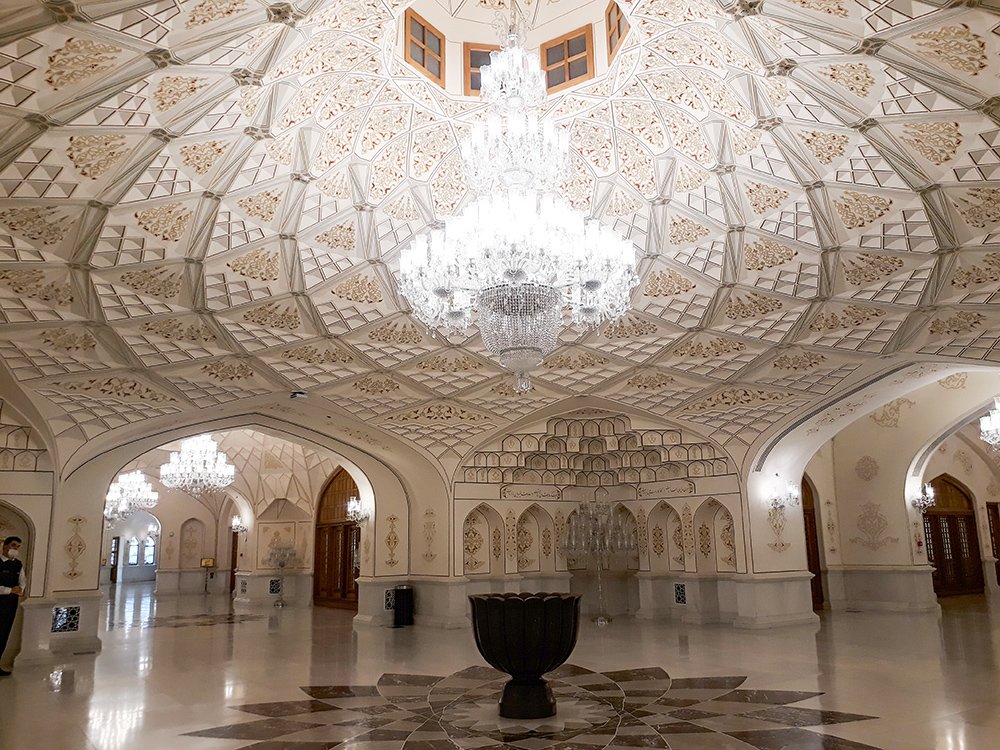
Shopping in Tehran offers a fascinating contrast between centuries-old traditions and contemporary luxury. Moreover, visitors can discover everything from hand-knotted Persian rugs and antiques to spices and modern fashion. Furthermore, this guide highlights the capital’s most iconic bazaars and modern malls.
1. The Grand Bazaar of Tehran (Bazaar-e Bozorg)
Sprawling over 10 kilometers of covered labyrinthine pathways in southern Tehran, the Grand Bazaar is the historic commercial heart of Iran. Moreover, each section (Rasteh) specializes in specific goods, including gold, carpets, copperware, spices, and traditional textiles. Furthermore, the bazaar offers much more than shopping, with historic mosques, hidden caravanserais, and traditional lunch spots creating a lively cultural experience.
• Best For: Authentic Persian carpets, copper cookware, spices, dried fruits, and immersion in traditional market culture.
• Travel Tip: Visit during morning hours (around 9:30 AM to 1:00 PM) when the market is lively but manageable. Most shops close on Friday afternoons and public holidays.
2. Tajrish Bazaar & Tajrish Square
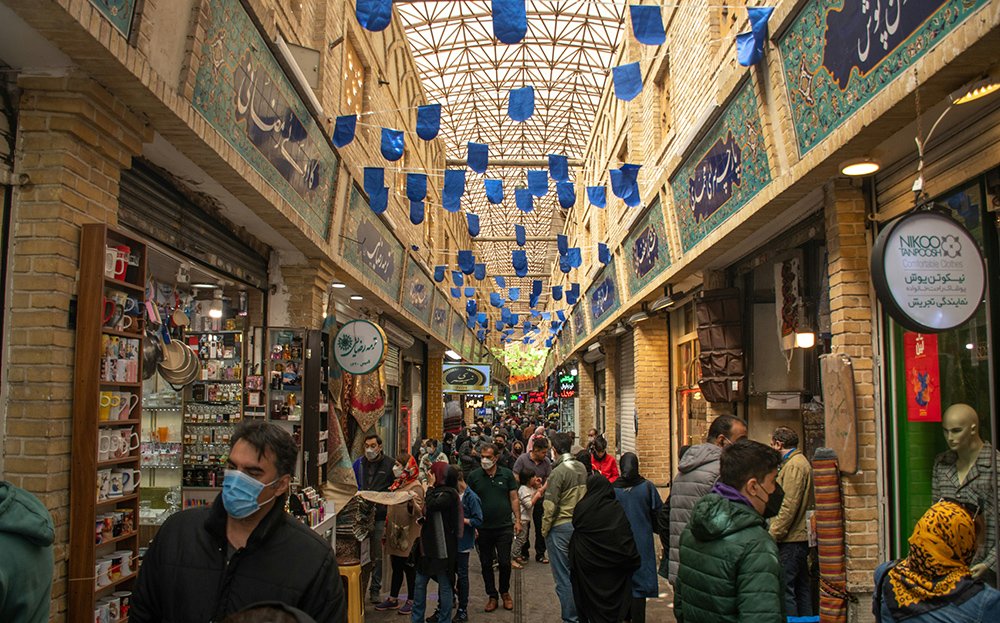
Situated in northern Tehran near the foothills of the Alborz Mountains, Tajrish Bazaar offers a more relaxed, picturesque alternative to the Grand Bazaar. Furthermore, this charming covered market attracts visitors with bright fruit and spice stalls, traditional bakeries, and handcrafted ceramics.
• Key Highlights: The adjacent Imamzadeh Saleh Shrine (known for its glittering mirror-work interior) and lively outdoor food stalls.
• Best For: Saffron, nuts, herbal teas, fresh produce, Persian sweets, and evening strolls.
3. Parvaneh Bazaar (Jomeh Bazaar / Friday Flea Market)
Parvaneh Bazaar is Tehran’s legendary Friday flea market—a bohemian gathering spot for local artisans, antique collectors, and young designers. Furthermore, while it was historically held in a multi-story parking garage on Jomhouri Street, the market has now relocated to the green and spacious Abbasabad Lands near the Garden of Art (Bagh-e Honar).
• What You’ll Find: Unique vintage jewelry, tribal carpets, handmade leather goods, traditional crafts, retro vinyl records, and creative local art.
• When to Go: Open exclusively on Fridays.
4. Iran Mall
Stretching over 1.4 million square meters in western Tehran, Iran Mall is one of the largest shopping and entertainment complexes in the world. Furthermore, it combines modern luxury retail with traditional Persian design, making it both an architectural attraction and a popular shopping destination.
Key Highlights:
Jondishapour Library: A massive, multi-tiered wooden library resembling classic European universities.
Traditional Bazaar (Timcheh): A modern interpretation of classic Persian brick arches and mirror-work housing traditional craft shops.
Mahan Garden: An indoor multi-level water cascade inspired by traditional Persian gardens.
Best For: International and local clothing brands, fine dining, family entertainment, and architectural photography.
Where to Stay in Tehran
Choosing the right accommodation in Tehran largely depends on whether you prefer staying near historic attractions in the city center or enjoying the cooler air and luxury high-rises in the northern hills. Moreover, this section of our Tehran travel guide breaks down the top hotels across the capital to help you choose the ideal base for your trip.
Luxury & 5-Star Hotels
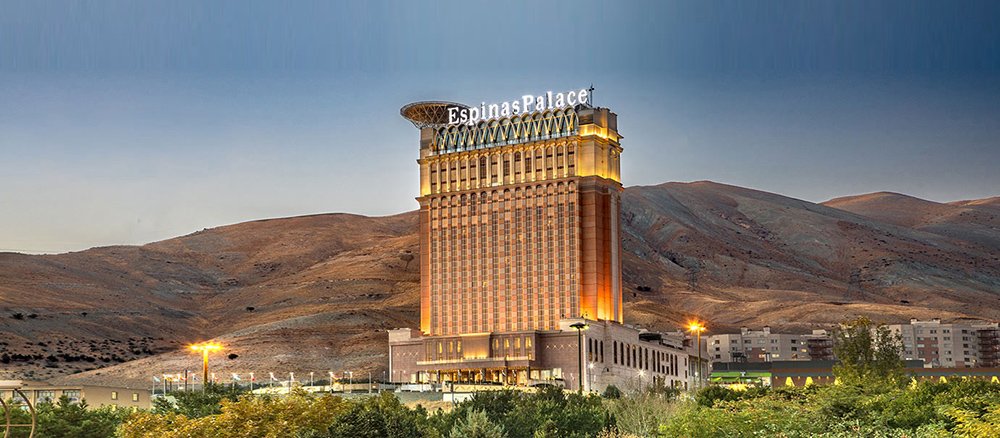
• Espinas Palace Hotel: Perched on the hills of Sa’adat Abad in North Tehran, Espinas Palace is widely recognized as the city’s premier luxury hotel. Furthermore, guests can enjoy panoramic views of the skyline and Alborz mountains, high-end international dining, and elegant modern architecture.
• Parsian Azadi Hotel: Located near the foothills of North Tehran with convenient access to Tochal Telecabin and the Sa’dabad Complex, this iconic 5-star high-rise is a favorite for both business travelers and tourists seeking premium amenities. Moreover, it provides an excellent base for exploring the city’s northern attractions.
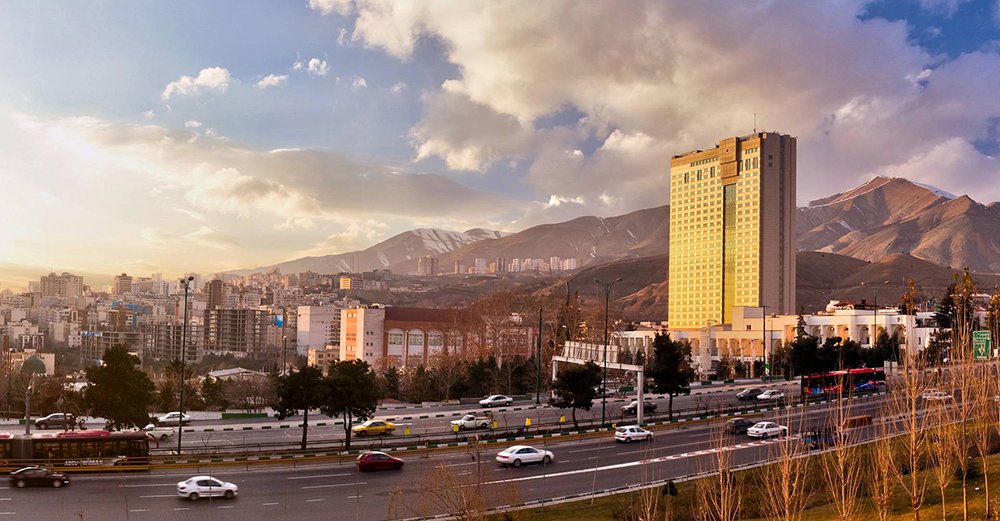
• Espinas International Hotel (Boulevard Keshavarz): Located on central Keshavarz Boulevard, this 5-star hotel offers luxury and convenience. Moreover, guests enjoy easy access to Laleh Park, major museums, and central shopping areas.
• Gran Miras Rashidiyeh Hotel: Inspired by traditional Iranian craftsmanship, this luxury hotel features authentic Persian architecture. Furthermore, guests can admire intricate tilework, handcrafted details, and classic Persian design throughout the property.
Mid-Range & Central Business Hotels
• Tehran Royal Hotel: A sleek 4-star property located on Keshavarz Boulevard. It features modern rooms, an indoor pool, spa facilities, and easy transit links to Valiasr Square and central attractions.
• Howeyzeh Hotel: Positioned near Taleghani Metro Station and Valiasr Street, Howeyzeh Hotel offers comfortable modern rooms, an on-site restaurant, and a central location that makes sightseeing straightforw
• Tehran Grand Hotel: A long-standing business and leisure hotel situated along upper Valiasr Street, known for its professional service, comfortable suites, and proximity to major diplomatic and commercial centers.
Historic & Budget-Friendly Stays
• Ferdowsi Grand Hotel: Located in the historic heart of Tehran near Ferdowsi Square, this well-established hotel places guests within short reach of Golestan Palace, the National Museum, and the Grand Bazaar.
• Markazi Hotel (Hotel Markazi Iran): One of Tehran’s oldest operating hotels, located on Lalehzar Street. It offers clean, budget-friendly accommodations right inside the city’s historic commercial district.
Best Time to Visit & Climate in Tehran
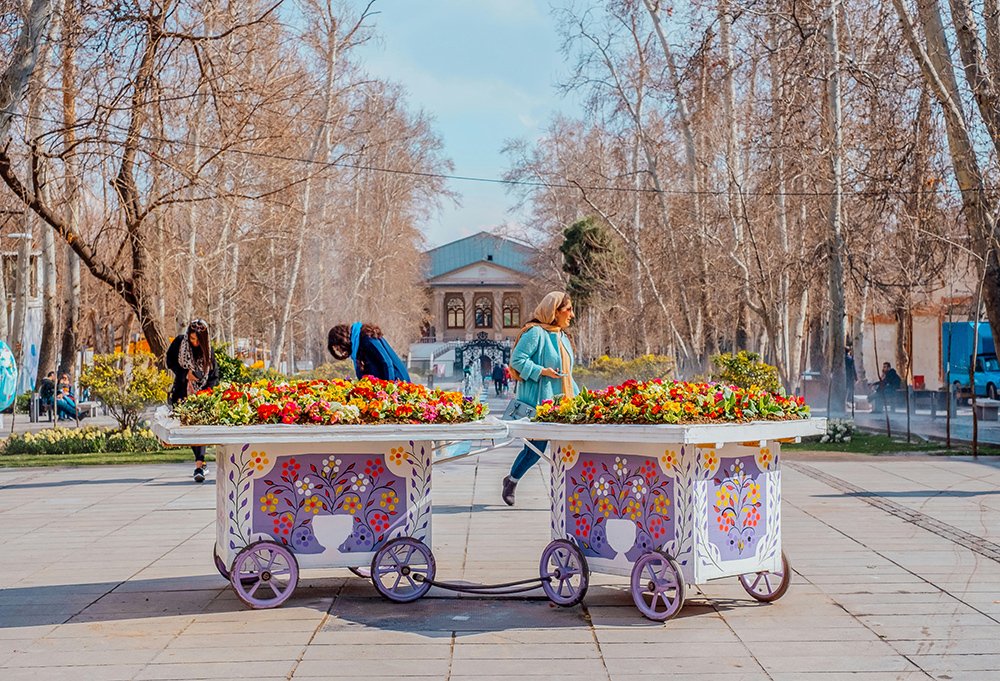
Tehran features a semi-arid continental climate heavily influenced by the towering Alborz Mountain range to the north. While the city experiences four distinct seasons, spring and autumn provide the most comfortable conditions for urban exploration, sightseeing, and mountain hiking. Furthermore, understanding seasonal weather patterns in this Tehran travel guide helps you pack correctly and choose the best dates for your itinerary.
Spring (March to May): Peak Season & Pleasant Weather
Spring is widely regarded as the finest time to visit Tehran. Moreover, daytime temperatures range between 15°C and 25°C, making walking tours through central parks and historic districts extremely pleasant.
• Nowruz (Iranian New Year): Starting around March 21st, Nowruz offers a unique travel window. Furthermore, as many locals leave the capital, Tehran’s usually busy streets become quieter, with less traffic and pollution.
• Travel Note: While moving around the city during Nowruz is easy and peaceful, some government sites or bazaar shops may operate under holiday hours.
Autumn (September to November): Golden Leaves & Crisp Air
Autumn is another ideal window for travelers. As summer heat subsides, daytime temperatures average around 18°C to 26°C before dropping in late November.
• Highlights: Tree-lined Valiasr Street turns vibrant amber and gold. Sprawling royal gardens at Sa’dabad and Niavaran display stunning autumn foliage.
• Atmosphere: Autumn brings clear mountain air across Tehran. It creates ideal conditions for dining in Darband and capturing skyline photos.
Summer (June to August): Hot Days & Mountain Escapes
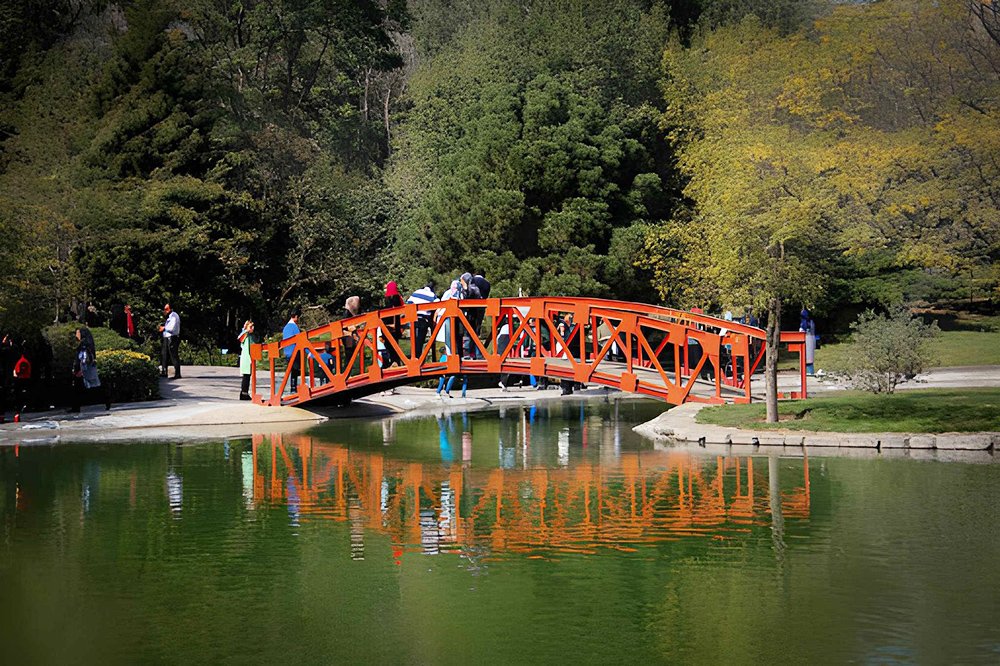
Summers in Tehran are dry and hot. Therefore, travelers should plan outdoor activities during the cooler morning and evening hours.
• How to Manage the Heat: Sightseeing is best planned for early mornings or late evenings. Therefore, during midday, travelers can explore air-conditioned indoor destinations such as the Iran Mall, National Museum, or Carpet Museum.
• Cooler Altitudes: Escape the downtown heat by heading to high-altitude northern districts like Tochal, Tajrish, and Darband. Furthermore, these cooler areas offer refreshing mountain breezes and a relaxing break from the busy city center.
Winter (December to February): Snow & Skiing
Winters bring cold, crisp air with daytime temperatures averaging 5°C to 10°C, often dropping below freezing at night. While central streets rarely see heavy snow retention, the nearby Alborz peaks receive heavy snowfall.
• Skiing Near the Capital: Winter is prime season for winter sports enthusiasts. Furthermore, travelers can reach world-class ski resorts such as Dizin, Shemshak, and Darbandsar within a short 1- to 2-hour drive from northern Tehran.
How to Get There & Transportation in Tehran
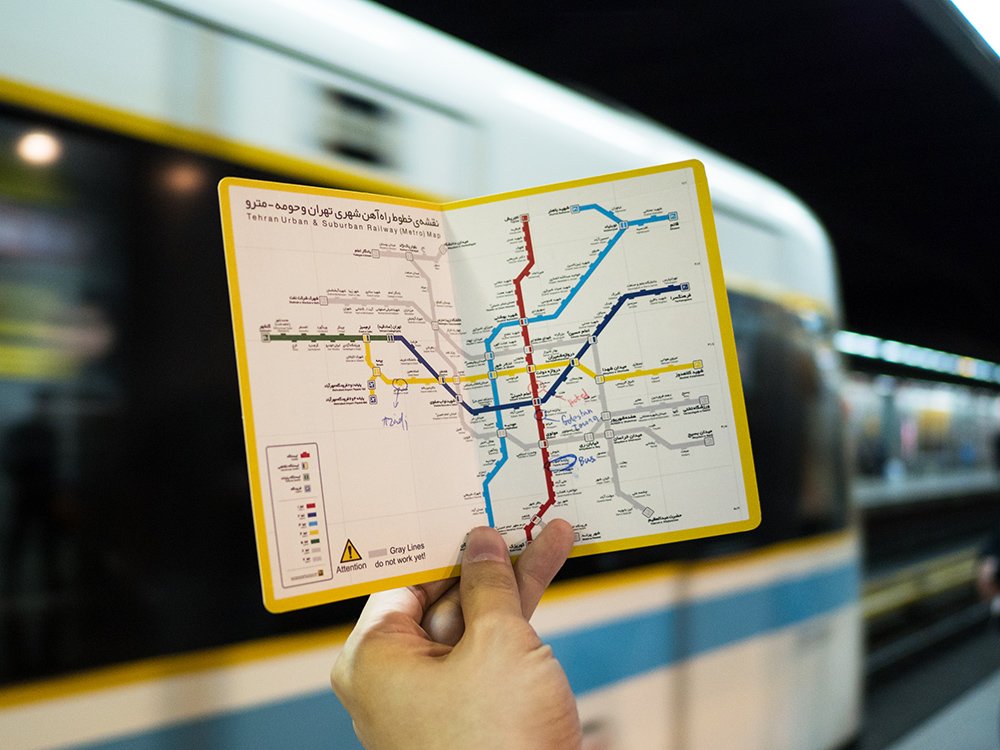
Navigating a massive metropolis like Tehran can feel overwhelming at first. However, the capital offers a well-developed and modern transport network. Furthermore, this Tehran travel guide explains everything you need to know about international arrivals, metro connections, and getting around the city.
Arriving in Tehran: Airports & Rail
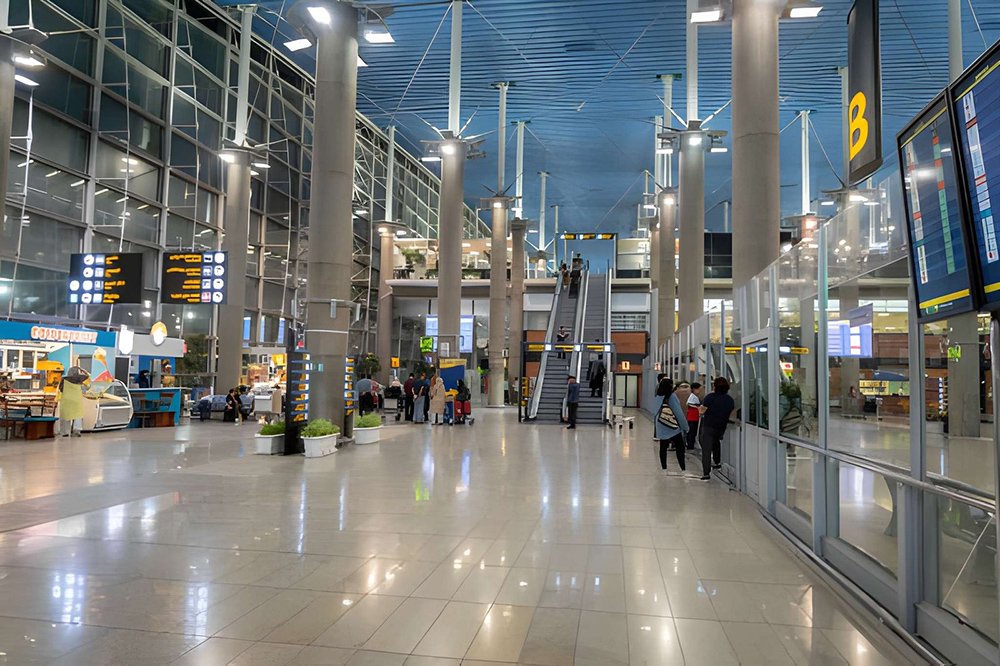
• Imam Khomeini International Airport (IKA): Located 30 kilometers south of Tehran, IKA handles most international flights. Moreover, licensed taxis and private transfers operate 24/7 directly outside the arrival terminals.
• Mehrabad International Airport (THR): Located within western Tehran near the Azadi Tower, Mehrabad handles domestic flights across Iran. Furthermore, travelers can easily reach the airport using Line 4 of the Tehran Metro system.
• Tehran Railway Station (Rahahan): Located at southern Rahahan Square, this historic hub connects the capital with cities across Iran. Furthermore, travelers can take direct trains to major destinations such as Isfahan, Shiraz, Tabriz, and Mashhad.
The Tehran Metro System: Fast & Affordable
Every practical Tehran travel guide recommends the metro to bypass street-level traffic. Moreover, it is clean, affordable, and highly efficient. With seven active lines and over 160 stations, the network reaches major historic sites, local bazaars, and key districts.
• Key Lines for Sightseers:
Line 1 (Red Line): Runs north-south from Tajrish down to Kahrizak. Moreover, key stops include Haft-e Tir, Darvazeh Dowlat, and Panzdah-e Khordad for the Grand Bazaar.
Line 3 (Light Blue Line): Connects southwest to northeast, stopping near Teatr-e Shahr (City Theater) and Meydan-e Vali Asr.
Line 4 (Yellow Line): Links eastern and western hubs, providing direct metro access to Meydan-e Azadi (Azadi Tower) and Mehrabad Airport.
• Practical Tips for Riding the Metro:
Tickets: Purchase inexpensive single-ride paper tickets (with QR codes) or load a contact-free electronic transit card at ticket booths inside stations. Furthermore, travelers can easily choose the option that best suits their journey and travel style.
Car Scheme: The first and last cars on every train are designated exclusively for women. However, women can also choose to ride in the mixed general cars with male companions if they prefer.
Hours: Trains generally run from 5:30 AM to around 10:00 PM daily.
Taxis & Ride-Hailing Apps
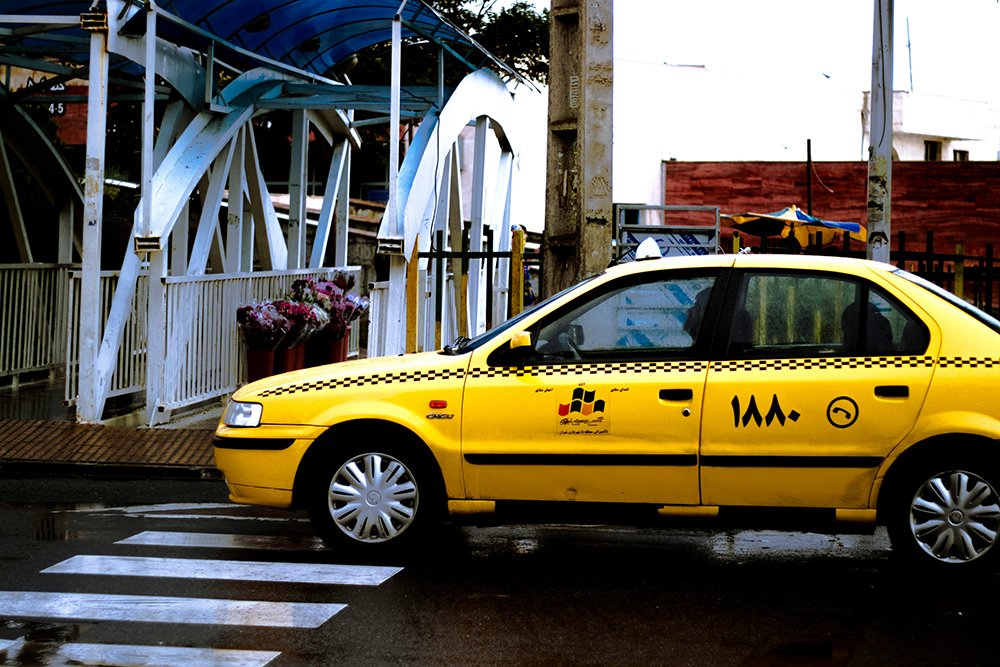
• Snapp: Iran’s top ride-hailing app features an English interface and accepts cash payments. Furthermore, travelers can see upfront fares before booking, which removes the need to negotiate prices with drivers.
• Shared Taxis (Khat-i): These yellow or green taxis run fixed routes between major squares. Moreover, travelers can find them at key hubs such as Valiasr, Tajrish, and Ferdowsi squares. Furthermore, fares are fixed and paid directly to the driver in cash after boarding.
• Private Taxis (Darbast): You can hail any local taxi exclusively by saying “Darbast” (meaning “door-to-door”). However, always agree on the total price before stepping into the vehicle to avoid misunderstandings.
Bus Rapid Transit (BRT)
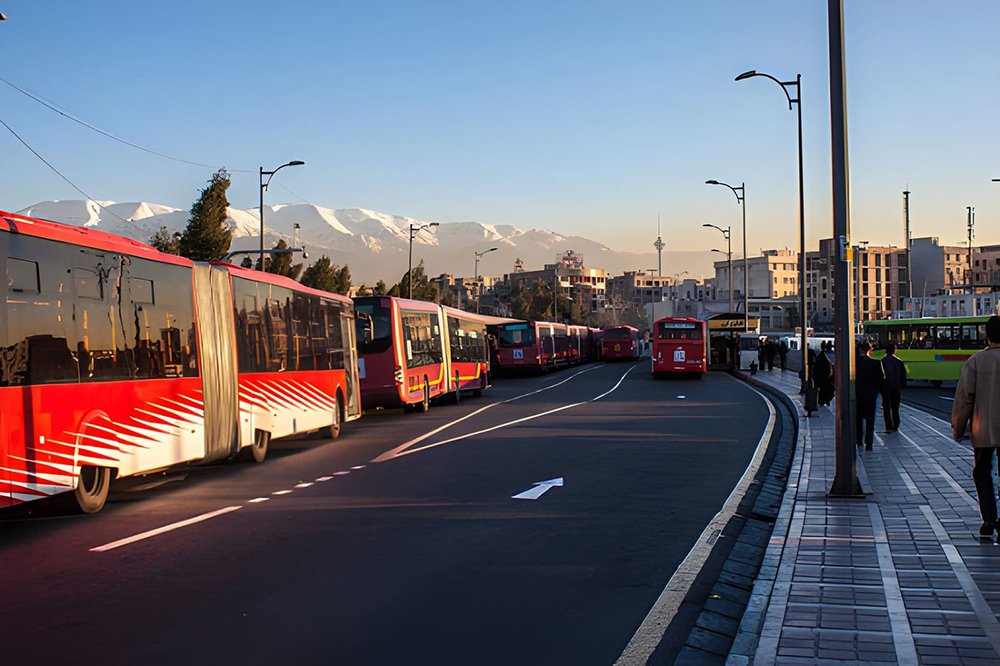
Tehran operates an extensive Bus Rapid Transit (BRT) network running in dedicated center lanes across major avenues.
• BRT Line 1: Stretches east to west from Azadi Square to Tehranpars.
• BRT Line 7: Runs along tree-lined Valiasr Street for 18 kilometers. It connects Rahahan (Railway Station) in the south to Tajrish Square in the north.
Practical Travel Tips & Local Etiquette in Tehran
To ensure a seamless and enjoyable trip, understanding local administrative logistics and social customs is essential. This section of our Tehran travel guide covers money matters, connectivity, essential navigation tools, local etiquette, and emergency contacts.
Money, Currency & Payments
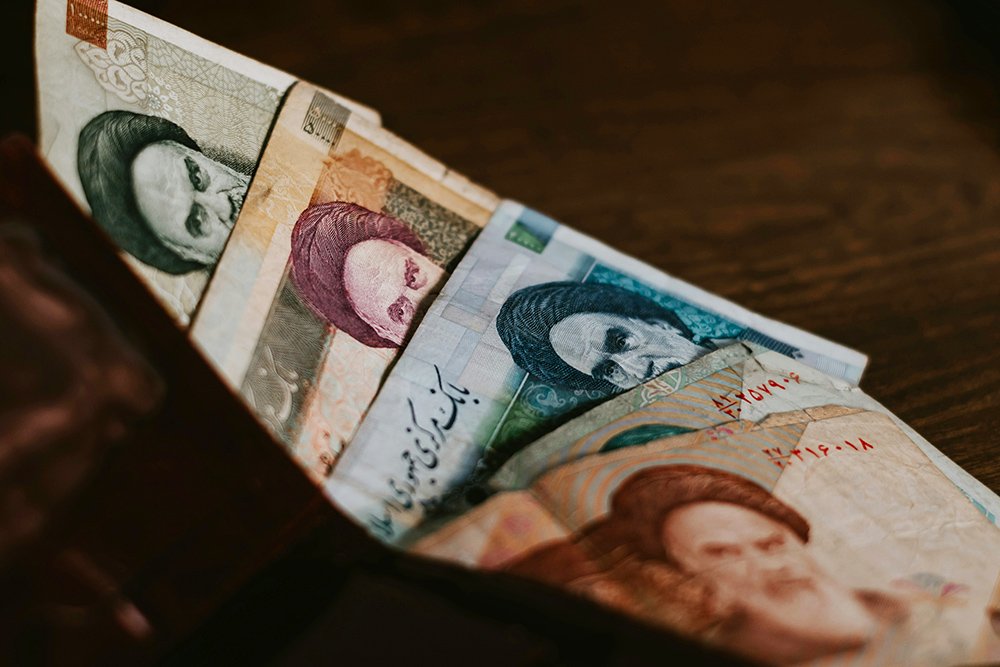
Managing money in Iran requires advance planning due to international banking sanctions. This Tehran travel guide covers everything you need to know before visiting. Bringing cash or securing a local prepaid tourist card ahead of time is essential.
• Rials vs. Toman: Iran’s official currency is the Rial, but locals quote prices in Toman (1 Toman = 10 Rials). Always confirm whether a price is in Rials or Tomans before paying.
• Bring Physical Cash: Foreign credit and debit cards (Visa, Mastercard, American Express) do not operate on local banking networks. Plan to bring sufficient physical cash (EUR or USD) in clean, crisp bills.
• Tourist Cards & Exchange: Currency exchange offices (Sarrafi) throughout Tehran, especially along Ferdowsi Street, can exchange cash into local currency. Alternatively, pick up a prepaid local Tourist Card upon arrival. This rechargeable debit card lets you avoid carrying large stacks of physical cash.
Mobile Connectivity & Local SIM Cards
Staying connected while navigating Tehran is straightforward once set up.
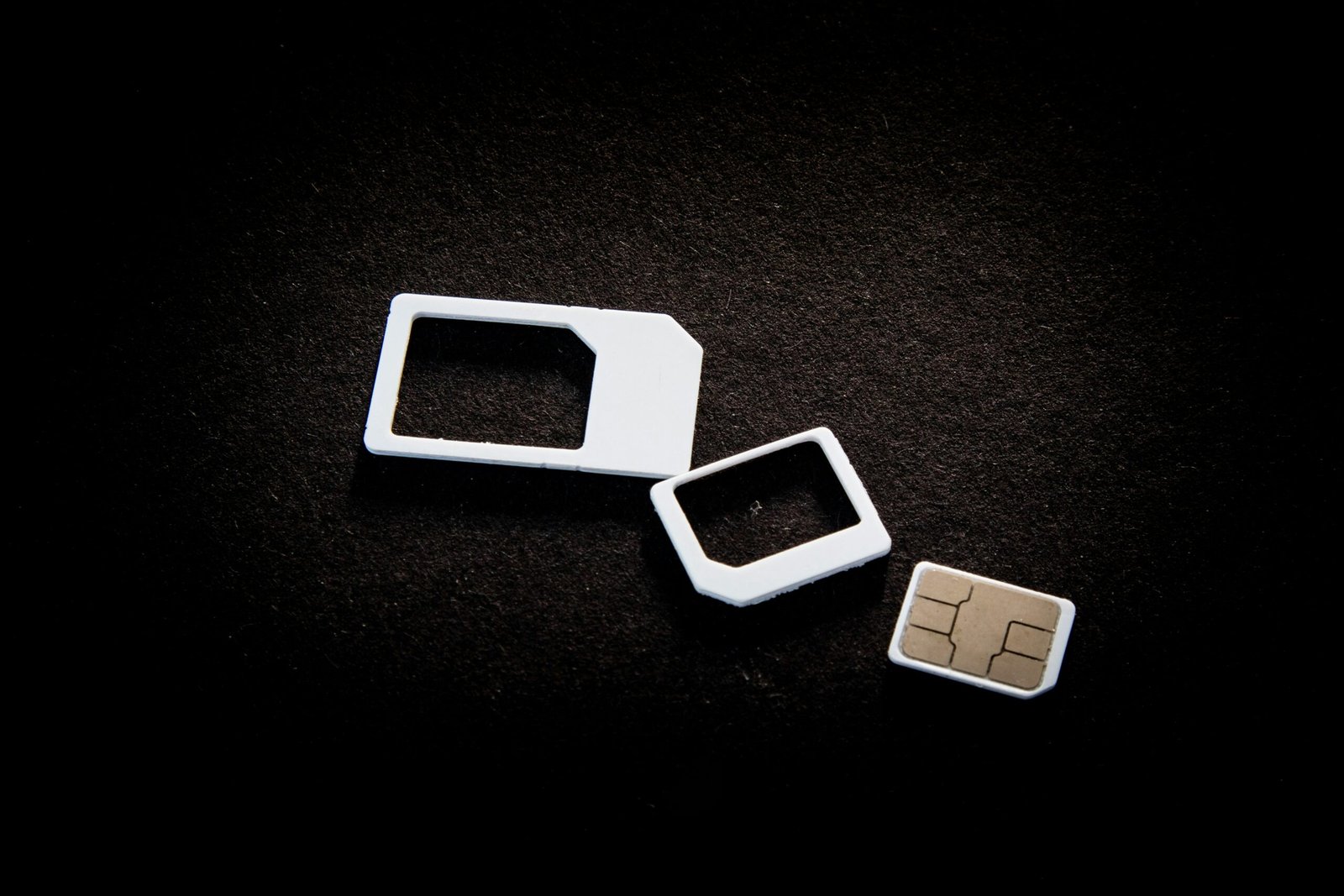
• Local Tourist SIMs: Purchase a local SIM card (such as Irancell or MCI) at Imam Khomeini International Airport (IKA) or authorized city kiosks. This provides high-speed 4G coverage across Tehran, though physical passport registration is mandatory.
• eSIM Options: Travelers with eSIM-compatible devices can buy international data packages online before arriving. This allows instant activation as soon as you land.
Offline Maps & Essential Travel Apps
Street signage in small alleyways often switches unpredictably between Persian script and English. Pairing digital navigation tools with a reliable Tehran travel guide ensures you can explore the city’s backstreets with confidence.
• Offline Map Apps: Download offline map data for Tehran on apps like Maps.me or Google Maps before heading out. This helps you easily pinpoint historic sights, cafes, and metro stops. You won’t lose your way, even inside subterranean bazaars or on mountain trails with low mobile reception.
• Translation Tools: Downloading the offline Persian language pack allows instant translations without active data. Use your phone’s translation app to read street signs, menus, and basic daily phrases offline.
Local Etiquette & Cultural Customs
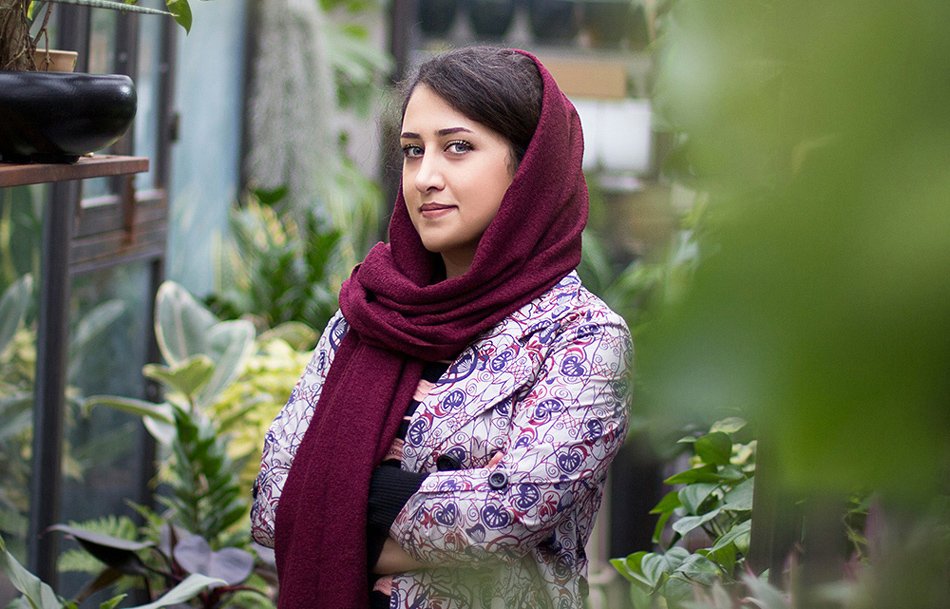
Dress Code (Hijab): Tehran’s dress guidelines are relaxed and modern compared to common misconceptions.
-
Women: Wear a lightweight headscarf covering your hair. Pair it with a long-sleeved tunic or top (manteau) covering the hips, along with trousers or a long skirt.
Men: T-shirts and trousers are standard daily wear. Short shorts are generally reserved for private athletic facilities.
• Ta’arof (Persian Social Courtesy): Ta’arof is a traditional practice of extreme politeness. For example, a shopkeeper or taxi driver may initially refuse payment, saying, “It’s free” (Ghabli nadareh). However, it is customary to politely insist on paying two or three times until they accept the payment.
• Photography: When taking photographs, avoid military installations, government buildings, police stations, or critical infrastructure. Additionally, always ask for permission before photographing local market vendors or residents.
Useful Emergency Contacts
Keep these quick-dial numbers saved during your stay in Tehran:
• Police: 110
• Medical Emergency / Ambulance: 115
• Fire Department: 125
• National Tourist Call Center: 09629
Final Thoughts on Visiting Tehran
Dynamic, layered, and deeply misunderstood, Tehran is far more than a simple gateway to Iran’s historical south—it is the beating heart of the nation’s contemporary identity. From the regal grandeur of Golestan Palace and the sweeping mountain vistas of Tochal to the high-energy energy of its historic bazaars and modern café culture, the capital offers an unforgettable collision of ancient heritage and rapid modern movement. Either you are using this Tehran travel guide to trace centuries of royal history, savor world-class Persian cuisine, or simply experience the legendary hospitality of its people, the city demandsto be explored rather than bypassed. It stands as an indispensable chapter in any true Persian journey, leaving travelers with a rich, nuanced perspective on modern Iran.
For more information or to start tailoring your personalized itinerary, Contact Griffin Tours to speak with our travel specialists.