

Isfahan Travel Guide: Discover Iran’s Timeless Masterpiece
Step into Isfahan, the jewel of Persia, where turquoise domes, historic bridges, and grand squares reveal centuries of Persian heritage. Once the capital of the Safavid Empire, this timeless city continues to inspire travelers with its beauty and traditions.
Welcome to Isfahan, one of Iran’s most magnificent destinations and a city celebrated for its breathtaking Islamic architecture, grand squares, elegant bridges, and rich cultural heritage. This Isfahan travel guide introduces everything you need to plan an unforgettable journey through a city that has inspired travelers for centuries. Moreover, Isfahan combines history, art, and hospitality, making it one of the country’s most rewarding places to visit.
Often described as “Half of the World” (Nesf-e Jahan), Isfahan flourished during the Safavid Dynasty as the capital of Persia. Today, visitors admire its UNESCO-listed landmarks, vibrant bazaars, beautiful gardens, and welcoming atmosphere. Whether you are fascinated by history, architecture, photography, or Persian culture, Isfahan promises memorable experiences at every turn.
Explore Isfahan with Griffin Tours
Experience the beauty of Isfahan through carefully designed tours that combine iconic landmarks, authentic local culture, traditional cuisine, and unforgettable experiences. Let Griffin Tours help you discover one of Iran’s greatest treasures.
Welcome to Our Isfahan Travel Guide
This Isfahan travel guide helps you discover one of the most beautiful and historically significant cities in Iran. Located in the heart of the country, Isfahan is famous for its magnificent mosques, elegant palaces, historic bridges, and impressive Persian craftsmanship. Furthermore, its relaxed atmosphere allows visitors to experience centuries of history at a comfortable pace.
The city’s golden age began during the Safavid Empire when Isfahan became the capital of Persia. Consequently, many of Iran’s finest architectural masterpieces were built here, including Naqsh-e Jahan Square, Sheikh Lotfollah Mosque, and Ali Qapu Palace. These remarkable landmarks continue to attract travelers from around the world.
Besides its historical monuments, Isfahan offers lively bazaars, traditional tea houses, delicious local cuisine, and friendly hospitality. Therefore, it is an essential destination for anyone exploring Iran.
Why Visit Isfahan
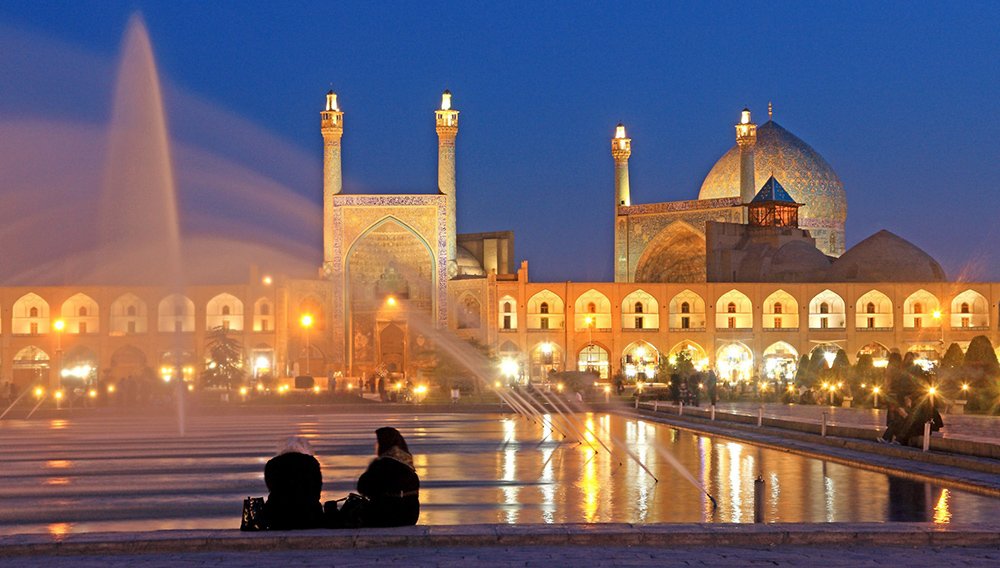
Few cities combine history, architecture, art, and culture as beautifully as Isfahan. Every corner of the city reflects the brilliance of Persian civilization, while every monument tells a story from centuries past.
Here are some of the best reasons to visit Isfahan:
• Explore the magnificent Naqsh-e Jahan Square, a UNESCO World Heritage Site.
• Admire the stunning tilework of historic Safavid mosques.
• Walk across the iconic Si-o-Se Pol and Khaju Bridge.
• Discover traditional Persian handicrafts in the Grand Bazaar.
• Experience authentic Iranian culture and hospitality.
• Taste delicious local specialties unique to Isfahan.
• Stay in elegant historic hotels with traditional Persian architecture.
• Enjoy beautiful gardens, peaceful cafés, and vibrant public squares.
Moreover, Isfahan is centrally located, making it easy to combine with destinations such as Tehran, Kashan, Yazd, and Shiraz. As a result, many travelers include Isfahan as a highlight of their Iran itinerary.
Overview & Fast Facts
Isfahan has served as one of Persia’s most influential cities for centuries. Moreover, it remains one of the country’s leading cultural, artistic, and architectural centers. Visitors come to admire its magnificent mosques, elegant palaces, historic bridges, and traditional bazaars.
Today, Isfahan offers an excellent balance between history and modern comfort. Consequently, travelers can enjoy world-famous landmarks while experiencing authentic Persian hospitality, vibrant cafés, and lively local markets.
Ready to Experience Isfahan
From the breathtaking beauty of Naqsh-e Jahan Square to the graceful arches of Si-o-Se Pol Bridge, Isfahan offers unforgettable moments at every turn. Griffin Tours invites you to discover the city’s rich history, remarkable architecture, and vibrant culture through carefully planned journeys designed for curious travelers.
Top Attractions & Historic Landmarks in Isfahan
Isfahan is often called an open-air museum of Persian architecture. Moreover, the city’s magnificent squares, mosques, palaces, and bridges reflect the artistic achievements of the Safavid Empire. Whether you enjoy history, photography, or architecture, these landmarks belong on every itinerary.
Naqsh-e Jahan Square: The Heart of Isfahan
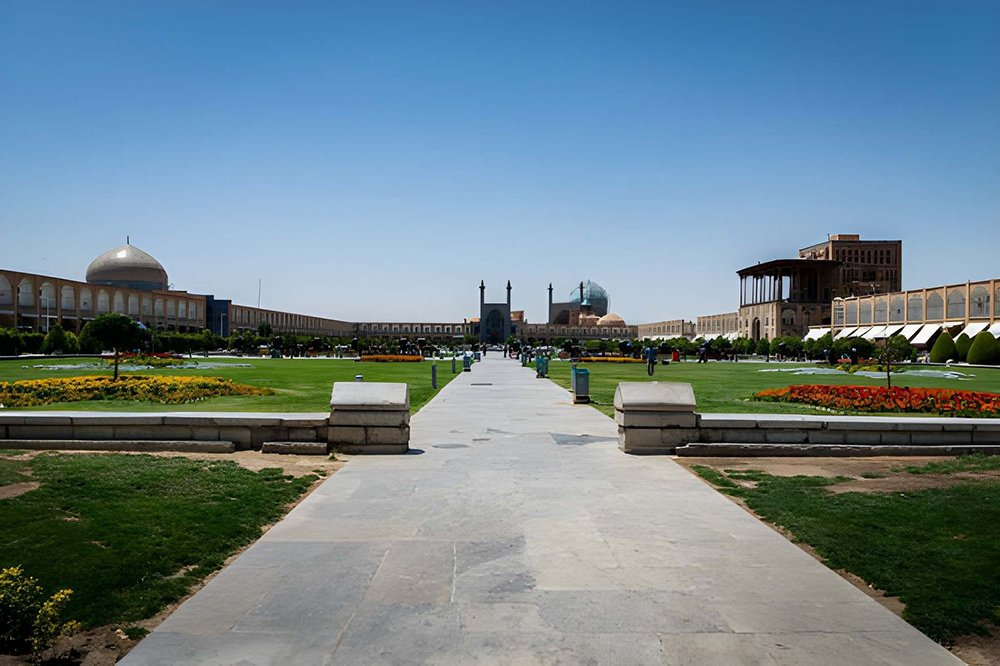
No Isfahan travel guide is complete without visiting Naqsh-e Jahan Square, one of the largest public squares in the world and a UNESCO World Heritage Site.
Built during the Safavid Dynasty, the square served as the political, religious, and commercial center of Persia. Today, visitors can stroll through beautifully landscaped gardens, admire grand monuments, and experience the lively atmosphere that fills the square throughout the day.
Horse-drawn carriages, traditional cafés, and local artisans make this one of Isfahan’s most enjoyable places to explore.
Highlights
• UNESCO World Heritage Site
• One of the world’s largest historic squares
• Surrounded by iconic Safavid monuments
• Traditional cafés and local handicraft shops
• Excellent photography location
Sheikh Lotfollah Mosque: A Masterpiece of Persian Architecture
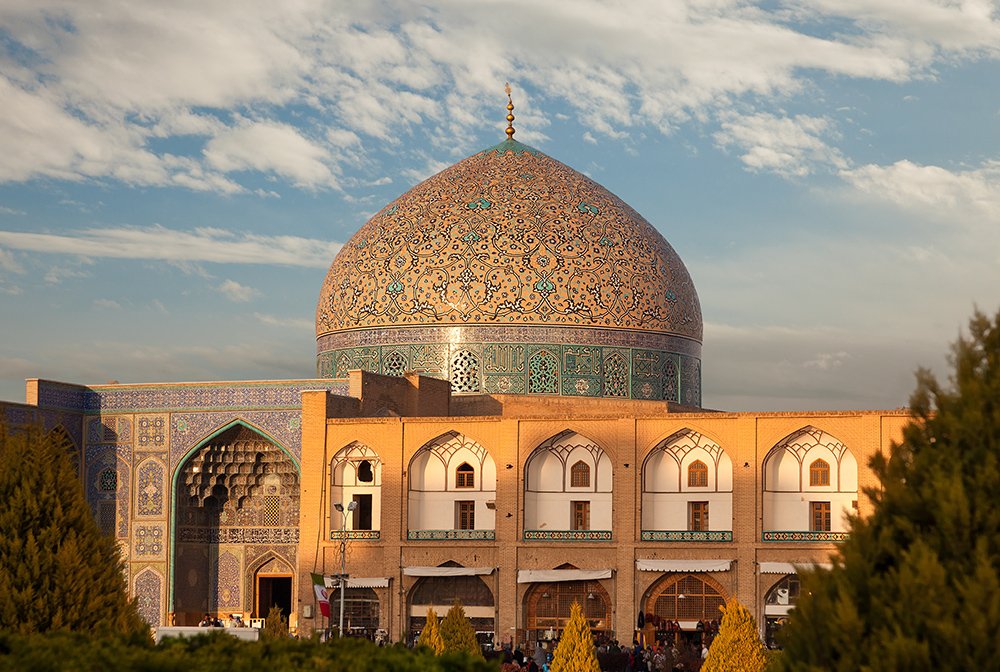
Standing on the eastern side of Naqsh-e Jahan Square, Sheikh Lotfollah Mosque is widely regarded as one of the finest examples of Islamic architecture.
Unlike many mosques, it has no minarets or courtyard. Instead, visitors admire its elegant dome, intricate tilework, and beautifully decorated interior. Furthermore, sunlight creates changing colors inside the dome throughout the day, making every visit unique.
Its harmonious design continues to inspire architects and artists from around the world.
Highlights
• Spectacular Safavid tilework
• Elegant cream-colored dome
• Beautiful interior decoration
• One of Iran’s architectural masterpieces
Shah Mosque (Imam Mosque): The Jewel of Safavid Isfahan
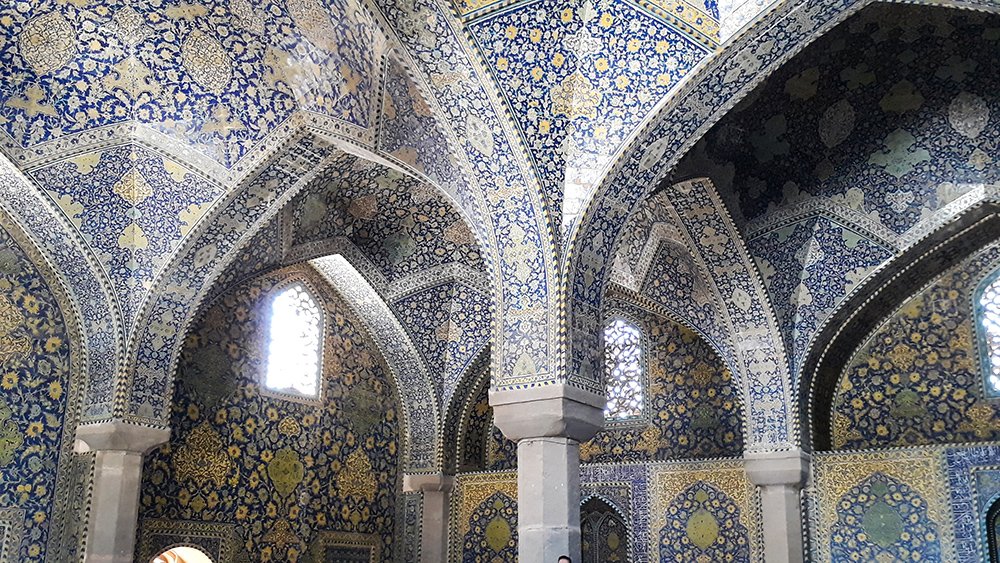
Located on the southern side of Naqsh-e Jahan Square, the magnificent Shah Mosque, also known as the Imam Mosque, represents the peak of Persian Islamic architecture.
Its towering entrance, soaring domes, and colorful mosaics immediately impress visitors. Meanwhile, the mosque’s peaceful courtyards offer a quiet escape from the lively square outside.
The remarkable acoustics beneath the main dome provide another unforgettable experience.
Highlights
• Magnificent turquoise domes
• Stunning Persian mosaics
• Grand entrance portal
• Exceptional architectural symmetry
• Remarkable acoustics
Ali Qapu Palace: The Royal Palace of the Safavid Kings
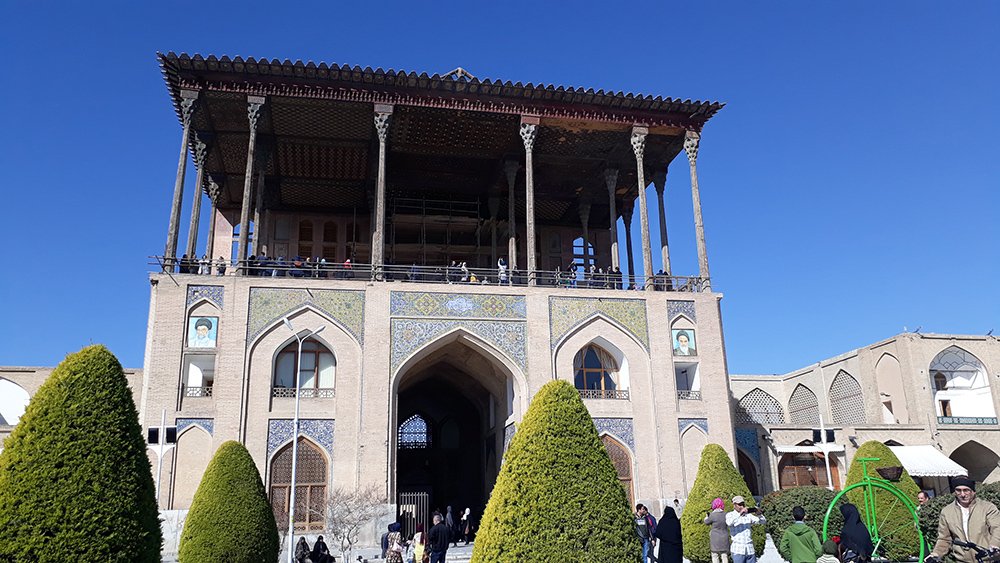
The elegant Ali Qapu Palace overlooks Naqsh-e Jahan Square from its western side.
This six-story palace once served as the royal residence and ceremonial palace of Shah Abbas I. Today, visitors climb to its famous music hall, where beautifully carved stucco decorations create remarkable acoustics.
The upper terrace also offers one of the finest panoramic views of Naqsh-e Jahan Square.
Highlights
• Historic Safavid royal palace
• Famous Music Hall
• Panoramic views of the square
• Beautiful wooden columns
• Royal reception rooms
Si-o-Se Pol Bridge: Isfahan’s Most Iconic Bridge
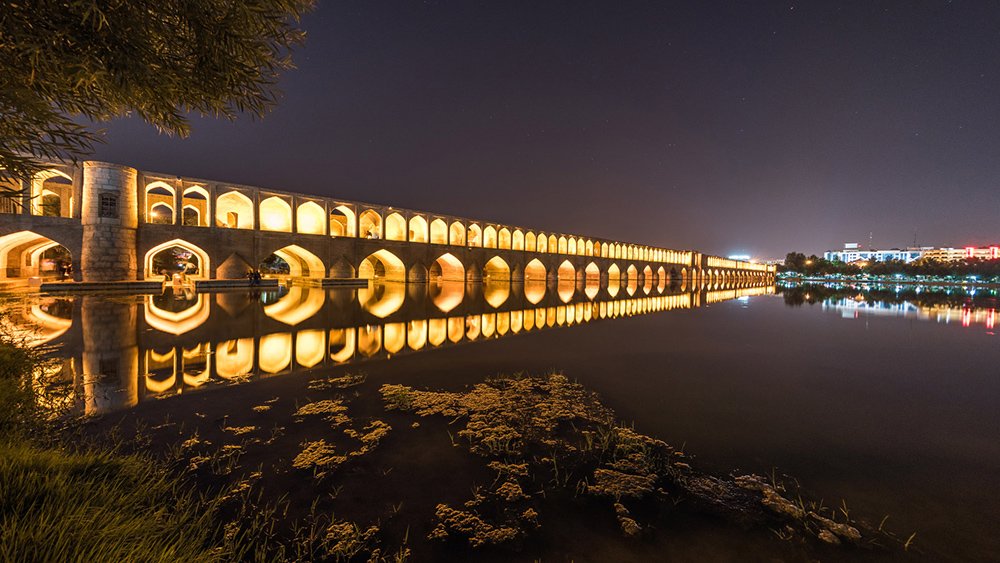
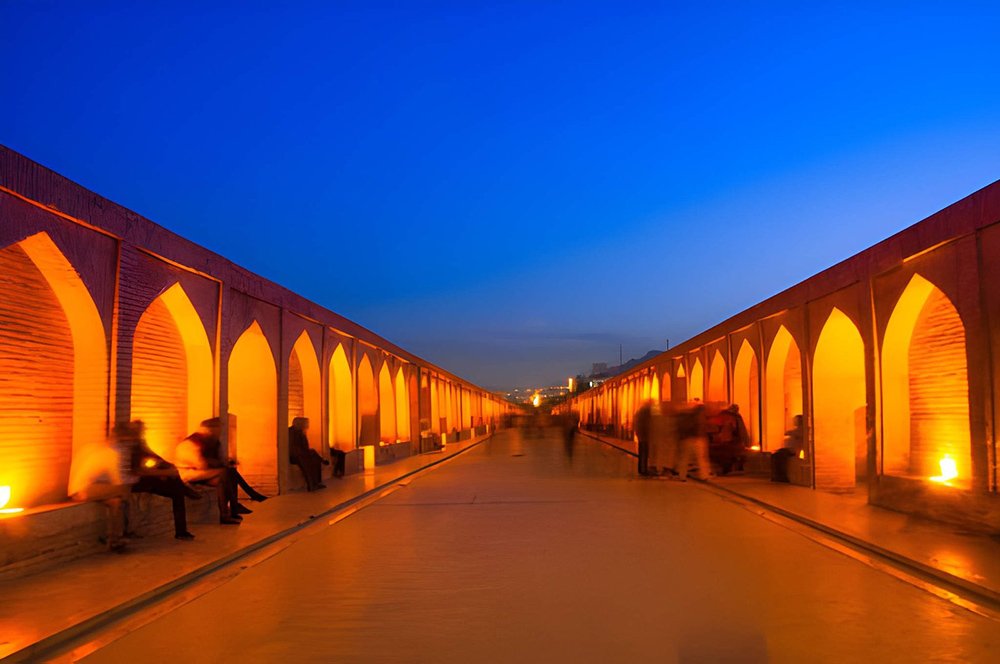
The historic Si-o-Se Pol Bridge, meaning “Bridge of Thirty-Three Arches,” is one of Isfahan’s best-known landmarks.
Stretching across the Zayandeh Rud River, this elegant stone bridge has connected the city for more than four centuries. Moreover, it becomes especially beautiful during sunset when its arches glow in the golden light.
Evenings attract families, musicians, and local residents who gather beneath the arches to enjoy the atmosphere.
Highlights
• Thirty-three elegant arches
• Beautiful sunset views
• Historic Safavid bridge
• Popular evening gathering place
Khaju Bridge: Where Architecture Meets Everyday Life
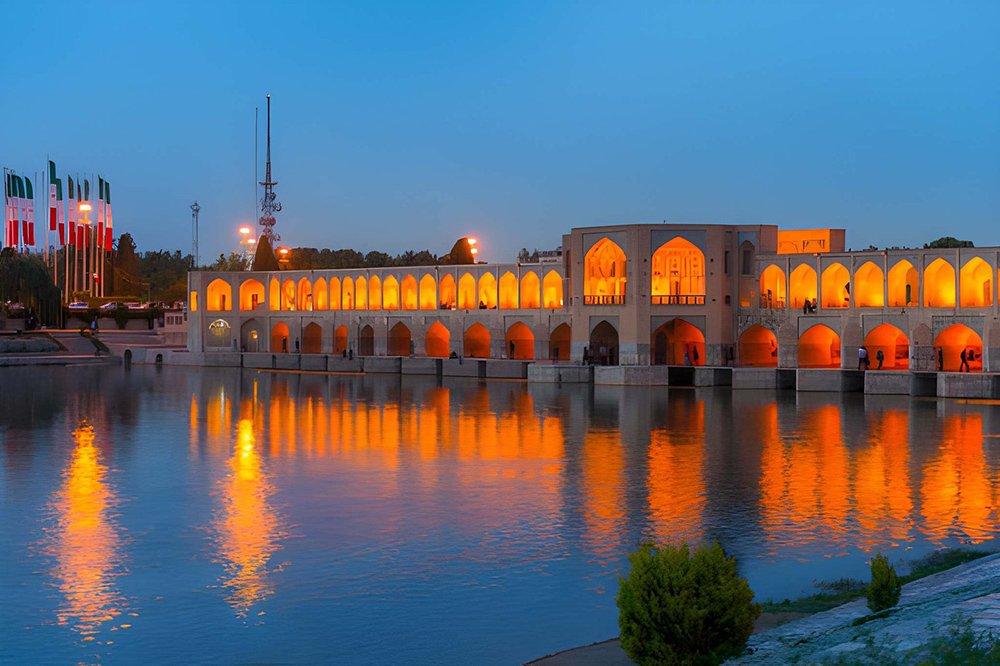
The beautiful Khaju Bridge combines engineering, architecture, and public life.
Originally built during the Safavid period, it functioned as both a bridge and a dam. Today, visitors admire its decorative pavilions, graceful arches, and peaceful riverside setting.
Meanwhile, locals often gather beneath the bridge to sing traditional Persian songs, creating one of Isfahan’s most memorable cultural experiences.
Highlights
• Historic bridge and dam
• Decorative royal pavilion
• Evening music by local residents
• Excellent riverside views
Vank Cathedral: The Armenian Heritage of Isfahan
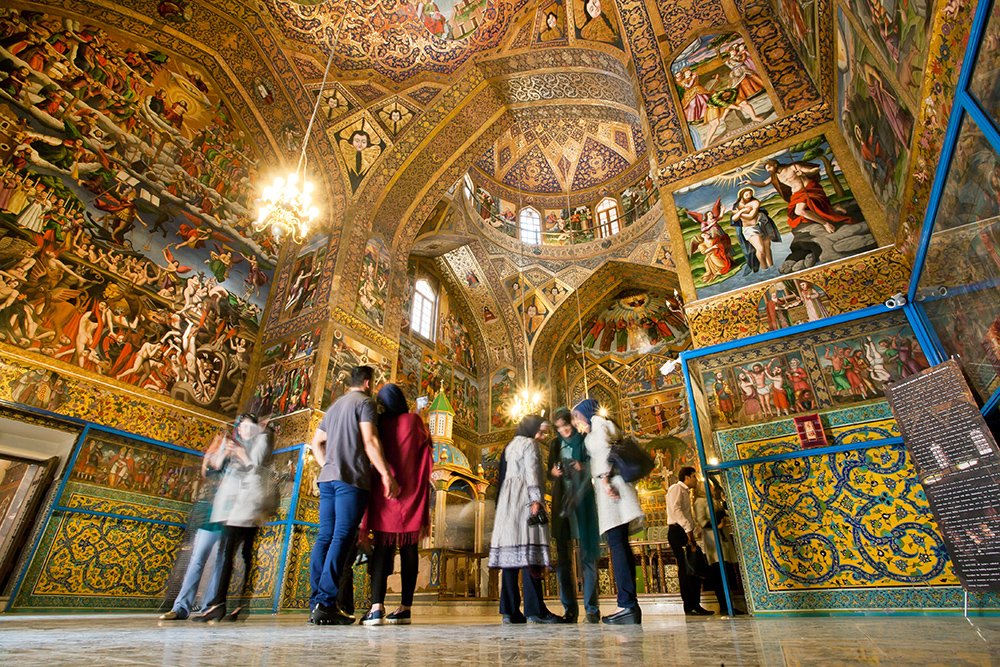
Located in the historic New Julfa district, Vank Cathedral reflects Isfahan’s rich multicultural history.
Built by the Armenian community during the seventeenth century, the cathedral combines Armenian Christian architecture with Persian artistic influences. Furthermore, its interior features colorful frescoes, gilded decorations, and beautifully painted ceilings.
The adjoining museum displays valuable manuscripts and historical artifacts that tell the story of Iran’s Armenian community.
Highlights
• Historic Armenian cathedral
• Beautiful frescoes and paintings
• Museum of Armenian history
• Located in the charming New Julfa district
Chehel Sotoun Palace: The Palace of Forty Columns
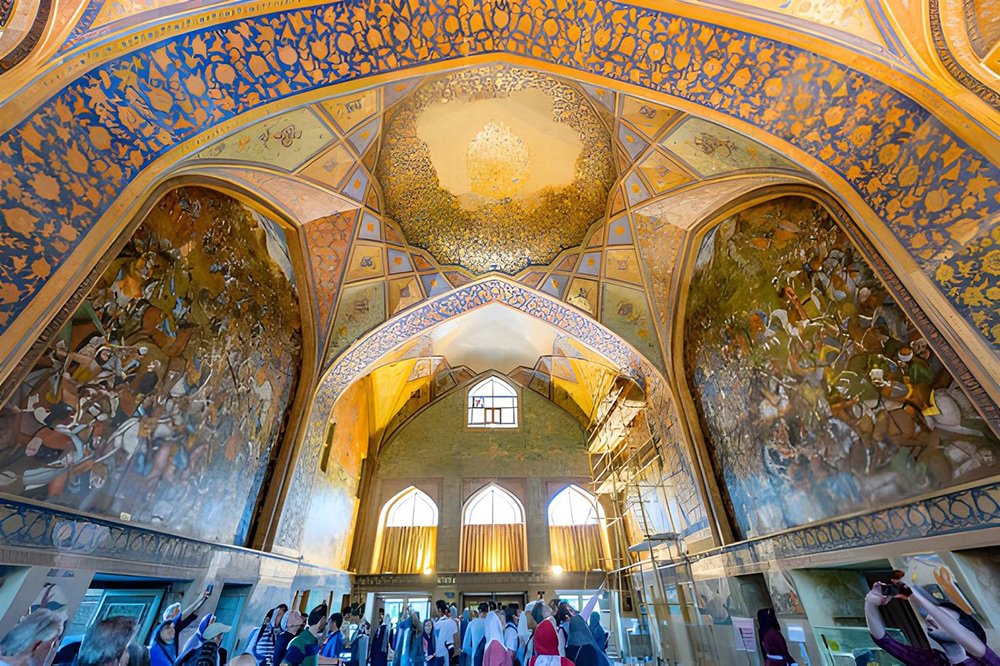
Surrounded by peaceful gardens, Chehel Sotoun Palace is one of Isfahan’s finest royal residences.
Its name means “Forty Columns,” referring to the twenty wooden columns reflected in the palace’s long pool. Inside, visitors discover magnificent frescoes depicting royal ceremonies and historic battles.
The surrounding Persian garden provides a relaxing escape after exploring the city’s busy streets.
Highlights
• UNESCO-listed Persian garden setting
• Elegant royal pavilion
• Historic wall paintings
• Reflecting pool and landscaped gardens
Suggested Isfahan Itinerary
This Isfahan travel guide includes suggested itineraries to help travelers make the most of their visit. Whether you have one day or several, Isfahan offers unforgettable experiences filled with history, architecture, and Persian culture.
One Day in Isfahan
If you only have one day, focus on the city’s most iconic landmarks.
Morning
• Naqsh-e Jahan Square
• Sheikh Lotfollah Mosque
• Shah Mosque
Afternoon
• Ali Qapu Palace
• Grand Bazaar
Evening
• Si-o-Se Pol Bridge
• Traditional Persian dinner
This itinerary introduces Isfahan’s most famous attractions in a single day.
Two Days in Isfahan
With two days, you can explore the city’s cultural treasures at a more relaxed pace.
Day One
• Naqsh-e Jahan Square
• Sheikh Lotfollah Mosque
• Shah Mosque
• Ali Qapu Palace
• Grand Bazaar
Day Two
• Vank Cathedral
• Chehel Sotoun Palace
• Khaju Bridge
• Si-o-Se Pol Bridge
• Traditional tea house
This itinerary combines history, architecture, and local culture.
Ready to Discover the Wonders of Isfahan
From the magnificent Naqsh-e Jahan Square to the graceful arches of Khaju Bridge, Isfahan showcases the finest achievements of Persian art and architecture. Join Griffin Tours to explore these remarkable landmarks with knowledgeable local guides and thoughtfully planned itineraries tailored to your interests.
Food & Culinary Experiences in Isfahan
This Isfahan travel guide also introduces travelers to the rich flavors of Persian cuisine. In addition to its magnificent architecture, the city is famous for traditional dishes and sweets that reflect centuries of local culinary traditions. Therefore, tasting authentic Isfahani food should be an essential part of every visit.
Many recipes have been passed down through generations. As a result, visitors can enjoy unique flavors that are closely connected to the city’s history and culture.
Beryani: Isfahan’s Signature Dish
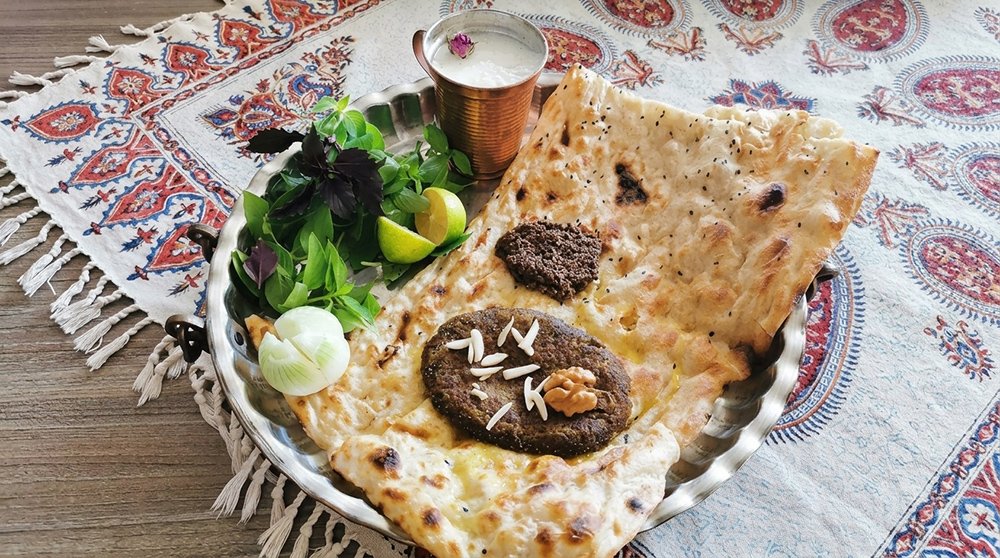
No Isfahan travel guide is complete without trying Beryani, the city’s most famous traditional dish.
Unlike biryani found in other countries, Isfahani Beryani is made with finely minced lamb, aromatic spices, and bread instead of rice. The meat is slowly cooked until tender, then served with fresh herbs, walnuts, and traditional flatbread.
Its rich flavor makes it one of Iran’s most memorable culinary experiences.
Don’t miss: Traditional Beryani restaurants that have served this local specialty for generations.
Gushfil: A Sweet Local Favorite
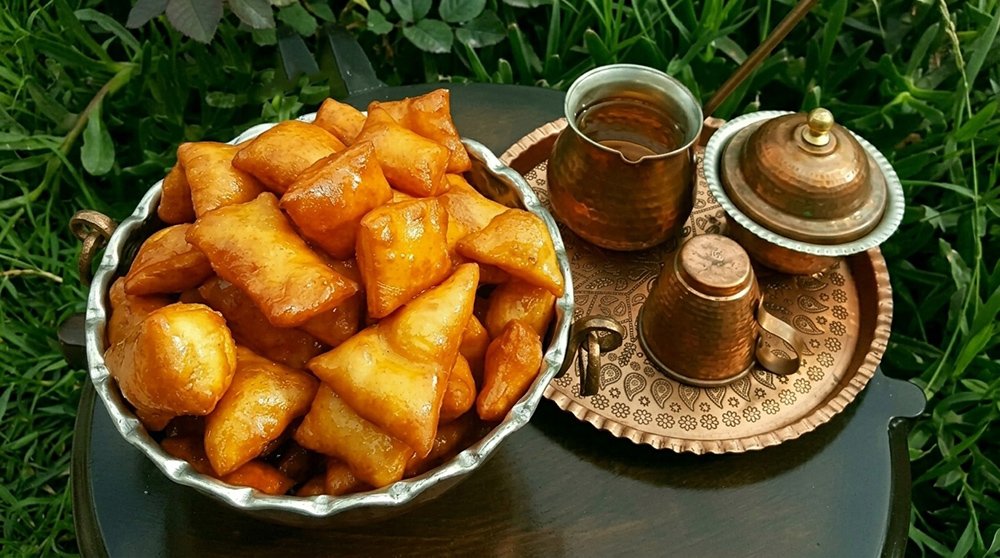
Gushfil is a light, crispy pastry made from fried dough and coated with sweet syrup.
Locals often enjoy it alongside a cup of Doogh, a refreshing yogurt drink. Although the combination may surprise first-time visitors, the contrast between sweet and savory flavors has become one of Isfahan’s most beloved traditions.
Khorsht Mast: Isfahan’s Famous Saffron Dessert
Despite its name, Khorsht Mast is usually served as a dessert rather than a main course.
This unique delicacy combines strained yogurt, saffron, sugar, rosewater, and tender lamb, creating a rich and creamy dish unlike anything else in Persian cuisine.
Many restaurants prepare Khorsht Mast using traditional family recipes, making every tasting experience slightly different.
Shurba Sabzi Ash: A Comforting Herbal Soup
Shurba Sabzi Ash is a hearty soup prepared with fresh herbs, beans, vegetables, and grains.
Its nourishing ingredients make it especially popular during cooler months. Moreover, the fragrant herbs give the soup a fresh and comforting flavor that locals have enjoyed for generations.
Tas Kebab: A Traditional Persian Classic
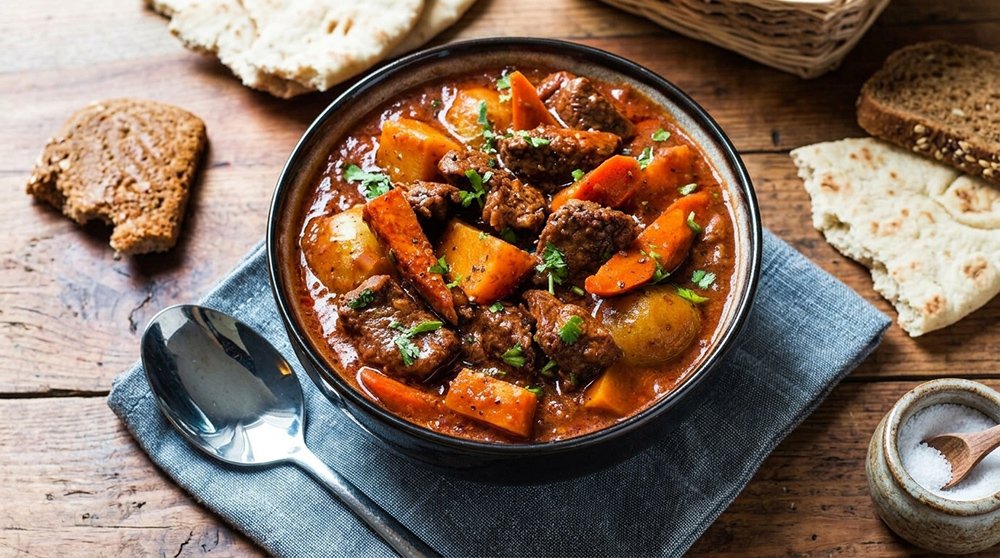
Tas Kebab is a slow-cooked dish made with tender meat, potatoes, onions, tomatoes, and aromatic spices.
The ingredients simmer together until they become wonderfully soft and flavorful. Consequently, the dish offers a comforting meal after a full day of sightseeing around Isfahan.
Traditional Drinks to Try
Besides its delicious food, Isfahan offers several refreshing traditional beverages.
Be sure to try:
• Persian black tea
• Saffron tea
• Rosewater herbal tea
• Fresh pomegranate juice
• Doogh (traditional yogurt drink)
These drinks pair perfectly with Isfahan’s traditional desserts and local dishes.
Bazaars & Shopping in Isfahan
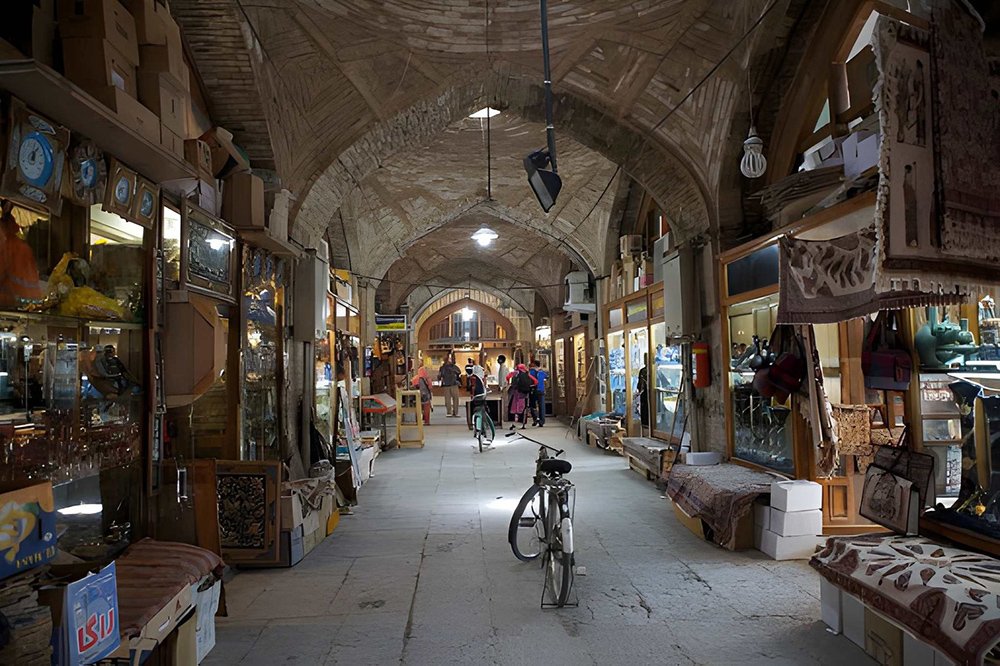
Shopping in Isfahan is more than buying souvenirs. Instead, it offers an opportunity to discover centuries of Persian craftsmanship while meeting talented local artisans.
The city’s traditional markets are filled with handmade treasures that reflect Isfahan’s artistic heritage.
Isfahan Grand Bazaar
Located beside Naqsh-e Jahan Square, the historic Isfahan Grand Bazaar has served merchants for centuries.
Its winding corridors are lined with workshops, handicraft stores, spice shops, carpet dealers, and jewelry boutiques. Meanwhile, skilled artisans continue to practice traditional crafts using techniques passed down through generations.
Walking through the bazaar offers an authentic glimpse into daily life in Isfahan.
Popular purchases include:
• Persian carpets
• Miniature paintings
• Hand-painted ceramics
• Copperware
• Enamel artwork (Minakari)
• Hand-printed textiles (Ghalamkari)
• Saffron
• Pistachios
• Traditional sweets
Famous Handicrafts of Isfahan
Isfahan is widely recognized as one of Iran’s leading centers for traditional arts and handicrafts.
Some of the city’s most famous crafts include:
• Minakari (hand-painted enamel artwork)
• Khatamkari (intricate wood inlay)
• Ghalamkari (hand-printed Persian textiles)
• Persian miniature paintings
• Handmade copperware
• Traditional silver jewelry
These handcrafted souvenirs make meaningful gifts and lasting reminders of your journey.
Where to Stay in Isfahan
This Isfahan travel guide includes accommodation options for every type of traveler, from luxurious five-star hotels to charming boutique properties housed in restored historic buildings. Many hotels are conveniently located near Naqsh-e Jahan Square and the city’s major attractions. Therefore, choosing the right place to stay makes sightseeing around Isfahan easier and more enjoyable.
Abbassi Hotel Isfahan
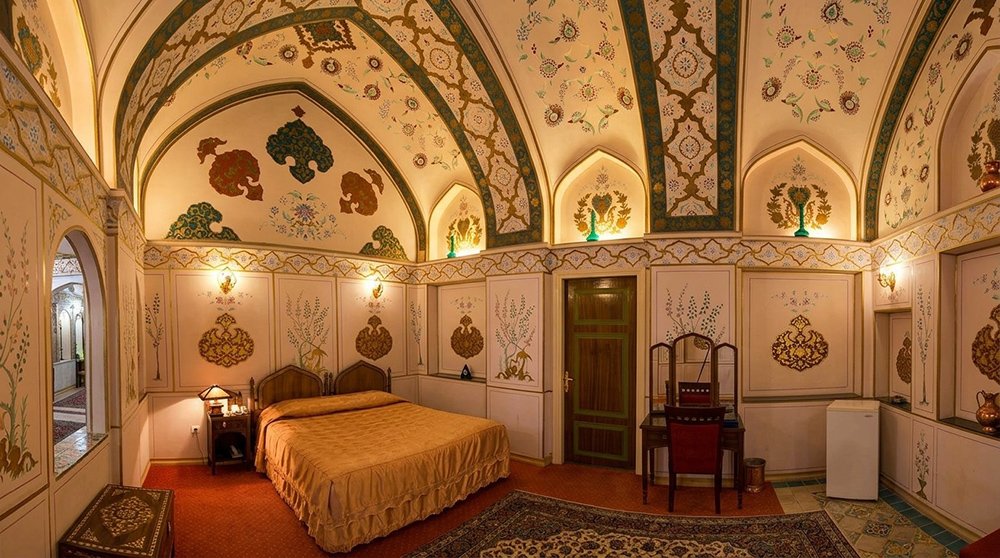
The historic Abbassi Hotel is considered one of the most beautiful traditional hotels in Iran.
Originally built as a Safavid caravanserai, it now welcomes guests with elegant Persian architecture, beautiful gardens, luxurious rooms, and exceptional hospitality.
Best for: Luxury travelers seeking a unique historical experience.
Parsian Kowsar Hotel Isfahan
Located near the Zayandeh Rud River, Parsian Kowsar Hotel offers spacious rooms, excellent facilities, and convenient access to Isfahan’s historic center.
Many rooms provide beautiful views of the river and nearby bridges.
Best for: Families, couples, and leisure travelers.
Chahar Bagh Hotel Isfahan
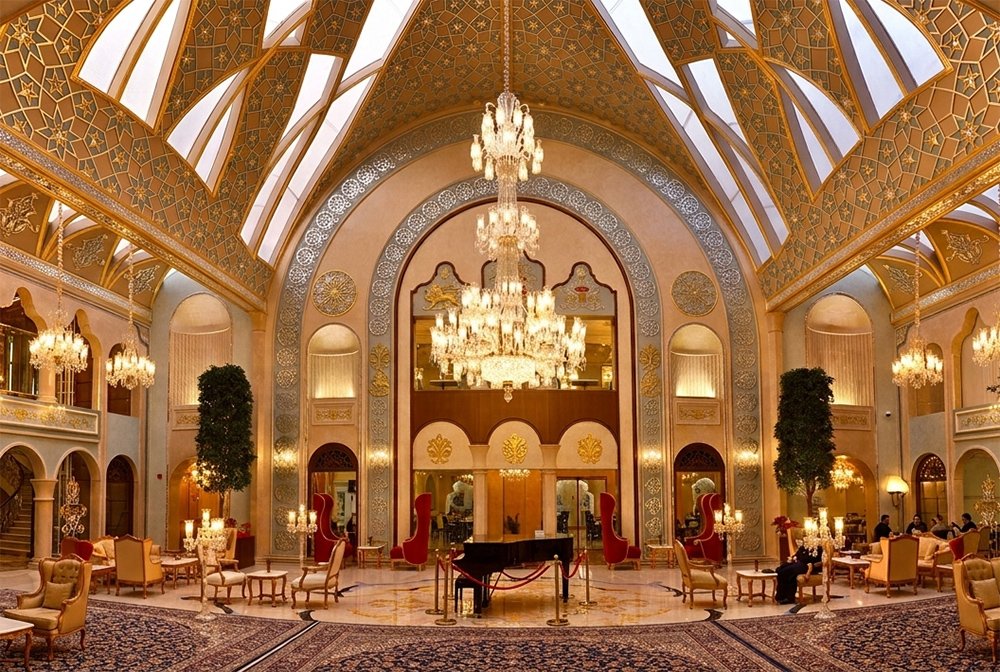
Chahar Bagh Hotel combines modern comfort with traditional Iranian hospitality.
Its central location makes it an excellent base for exploring the city’s famous landmarks and shopping districts.
Best for: First-time visitors.
Safir Hotel Isfahan
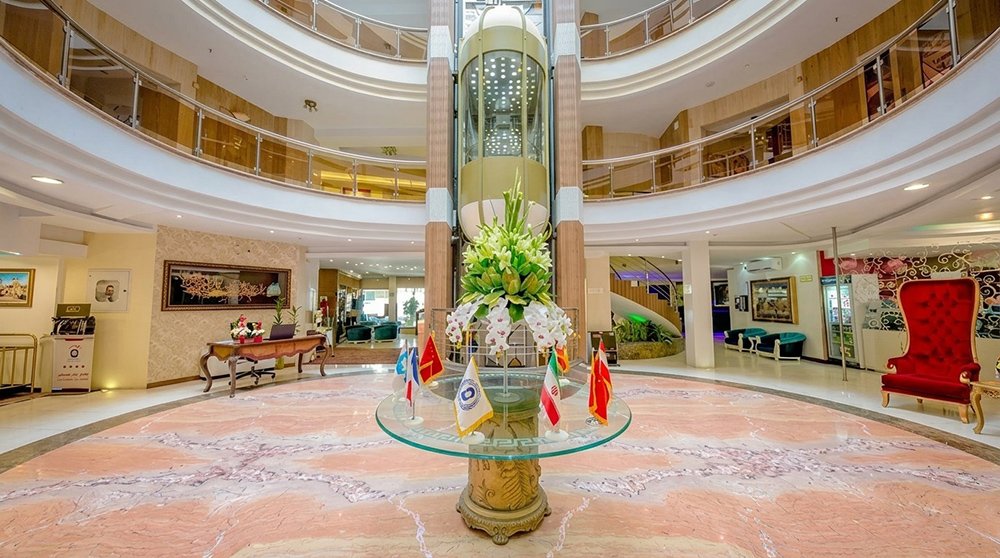
Situated close to several historic attractions, Safir Hotel offers comfortable accommodation, modern amenities, and friendly service.
Its location allows visitors to reach many attractions on foot or by short taxi rides.
Best for: Sightseeing and business travelers.
Ali Qapu Hotel Isfahan
Ali Qapu Hotel provides comfortable rooms in a convenient location near Isfahan’s cultural attractions.
Guests appreciate its welcoming atmosphere and easy access to restaurants, cafés, and shopping areas.
Best for: Couples and independent travelers.
Keryas Hotel Isfahan
For travelers seeking a more traditional stay, Keryas Hotel offers boutique accommodation in a beautifully restored historic building.
The hotel’s authentic Persian architecture creates a memorable atmosphere while remaining close to the city’s main attractions.
Best for: Travelers looking for an authentic Persian experience.
Accommodation Tips
When choosing where to stay in Isfahan, consider these suggestions:
• Stay near Naqsh-e Jahan Square for convenient sightseeing.
• Book early during spring and major holidays.
• Choose a traditional boutique hotel for a unique cultural experience.
• Select luxury hotels for premium facilities and historic surroundings.
• Consider guided tours that include accommodation and transportation for a seamless journey.
Experience the Flavors and Hospitality of Isfahan
From tasting authentic Beryani to relaxing in elegant historic hotels, Isfahan offers experiences that go far beyond its famous landmarks. Griffin Tours helps you enjoy the city’s cuisine, culture, and hospitality while creating unforgettable memories throughout your journey.
Best Time to Visit Isfahan & Climate
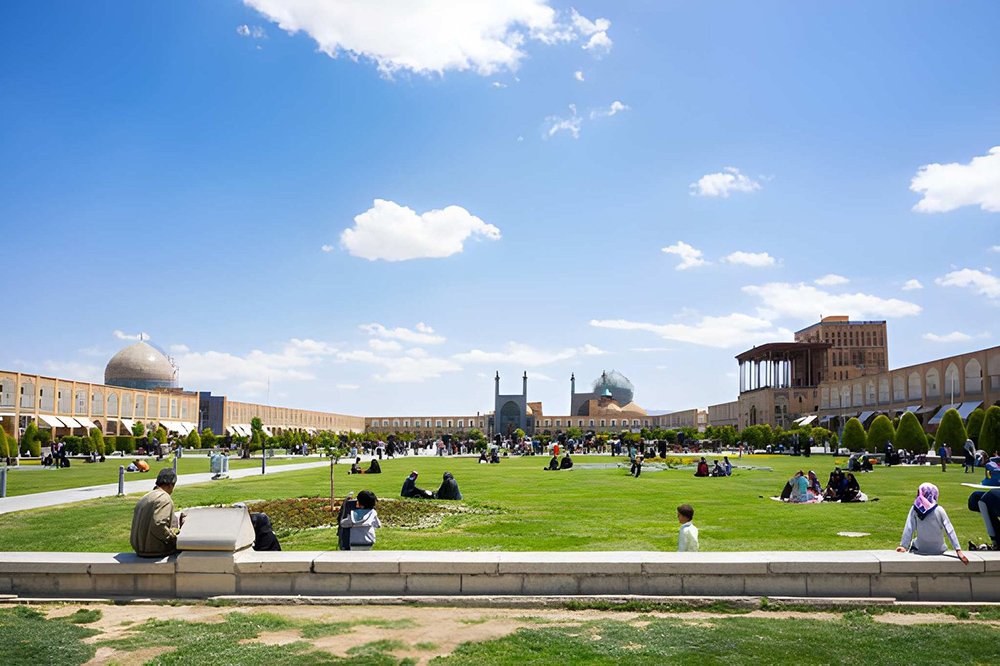
Choosing the right season can greatly improve your experience in Isfahan. The city has a dry continental climate with hot summers, cold winters, and pleasant spring and autumn seasons.
Generally, the best time to visit Isfahan is during spring (March to May) and autumn (September to November). During these months, the weather is comfortable for walking, sightseeing, and exploring the city’s historic attractions.
Moreover, spring brings colorful flowers, pleasant temperatures, and lively streets filled with travelers. Therefore, many visitors consider this season the perfect time to discover Isfahan’s gardens, bridges, and open-air attractions.
How to Get to Isfahan & Transportation
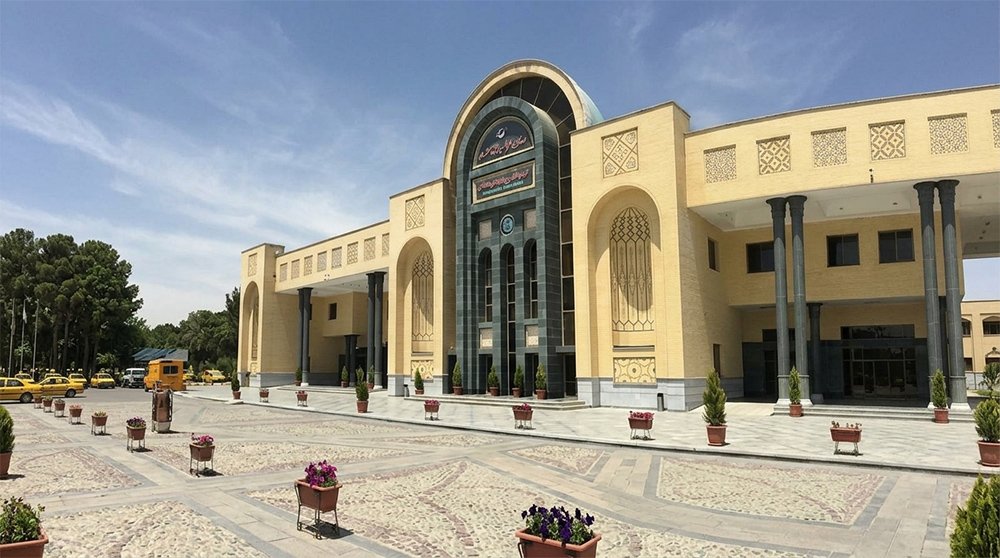
This Isfahan travel guide highlights the city’s excellent location in the center of Iran, making it an important stop on most Iran travel itineraries. Isfahan has good connections with major destinations such as Tehran, Yazd, Kashan, and Shiraz. Moreover, its central location makes it an ideal destination for travelers exploring the classic Iran route.
Traveling to Isfahan by Air
Isfahan International Airport connects the city with Tehran and several domestic destinations.
For international travelers, the most common option is flying to Tehran first and then continuing to Isfahan by domestic flight, private transfer, train, or bus.
Furthermore, Griffin Tours can arrange comfortable transportation options as part of a customized Iran journey.
Traveling to Isfahan by Train
Traveling by train is a comfortable and affordable way to reach Isfahan.
The railway connects Isfahan with major Iranian cities, including Tehran and other popular destinations. Moreover, overnight trains provide a convenient option for travelers who want to save daytime hours.
Traveling to Isfahan by Bus
Long-distance buses are one of the most common transportation methods in Iran.
Isfahan has regular connections with:
• Tehran
• Shiraz
• Yazd
• Kashan
• Kerman
VIP buses offer comfortable seats, air conditioning, and reasonable prices. Therefore, they are a practical choice for many travelers.
Getting Around Isfahan
Exploring Isfahan is relatively easy because many attractions are located close to each other.
Walking
The historic center is best explored on foot. In fact, walking between landmarks allows visitors to discover hidden streets, traditional shops, and local cafés.
Popular walking routes include:
• Naqsh-e Jahan Square
• Sheikh Lotfollah Mosque
• Shah Mosque
• Ali Qapu Palace
• Isfahan Grand Bazaar
Taxi
Taxis are widely available throughout the city and provide an affordable way to reach attractions located farther away.
For example, taxis are useful for visiting:
• Vank Cathedral
• Chehel Sotoun Palace
• Khaju Bridge
Metro and Public Transportation
Isfahan has a developing public transportation network, including metro and buses.
Although many tourists prefer taxis or walking, public transport can be useful for reaching different parts of the city.
Practical Travel Tips & Local Isfahan Etiquette
In this Isfahan travel guide, you will find practical tips to enjoy the city more comfortably. Isfahan is famous for its welcoming people, relaxed atmosphere, and strong cultural traditions, offering visitors an authentic Persian experience.
Respect Local Customs
Iran has unique cultural traditions that visitors should respect.
Travelers should dress modestly in public areas. Women should wear a headscarf and suitable clothing, while men should avoid wearing shorts in traditional and religious places.
Moreover, visitors should remove their shoes before entering some religious sites.
Learn Basic Persian Expressions
Although many young Iranians understand some English, learning a few Persian words creates friendly interactions.
Useful expressions include:
• Salam – Hello
• Merci – Thank you
• Lotfan – Please
• Khahesh mikonam – You are welcome
Locals usually appreciate visitors who make an effort to communicate in Persian.
Currency and Payments
Iran uses the Iranian Rial, although locals commonly use Toman when discussing prices.
International bank cards usually do not work in Iran because of banking restrictions. Therefore, travelers should bring enough cash and exchange money through official exchange offices.
Photography Tips in Isfahan
Isfahan is one of Iran’s best destinations for photography.
The best photography opportunities include:
• Morning light at Naqsh-e Jahan Square
• Sunset at Si-o-Se Pol Bridge
• Evening atmosphere at Khaju Bridge
• Detailed tilework inside historic mosques
• Traditional streets around New Julfa
However, always ask permission before photographing local people.
Safety in Isfahan
Isfahan is generally considered a safe and welcoming city for international travelers.
Nevertheless, visitors should follow normal travel precautions:
• Keep personal belongings secure.
• Carry only necessary cash during sightseeing.
• Keep important documents safe.
• Use trusted transportation services.
Frequently Asked Questions About Isfahan
How many days do I need in Isfahan
Most travelers need 2 to 3 days in Isfahan to explore the main attractions comfortably. However, history and architecture lovers may enjoy staying longer.
Is Isfahan worth visiting
Yes. Isfahan is one of Iran's most beautiful destinations, offering magnificent architecture, historic bridges, traditional cuisine, and authentic Persian culture.
What is Isfahan famous for
Isfahan is famous for Naqsh-e Jahan Square, Persian mosques, historic bridges, handicrafts, traditional bazaars, and Safavid architecture.
What is the best time to visit Isfahan
The best time to visit Isfahan is during spring and autumn when the weather is comfortable for sightseeing and outdoor activities.
How far is Isfahan from Tehran
Isfahan is approximately 450 kilometers south of Tehran. Travelers can reach the city by flight, train, bus, or private transfer.
What food should I try in Isfahan
Visitors should try local specialties such as:
- Beryani
- Gushfil
- Khorsh Mast
- Shurba Sabzi Ash
- Tas Kebab
Can I visit Isfahan as part of an Iran tour
Yes. Isfahan is one of the main stops on classic Iran itineraries, usually combined with destinations such as Tehran, Kashan, Yazd, and Shiraz.
Conclusion
Isfahan is a city where Persian history, art, architecture, and hospitality come together beautifully. From the magnificent Naqsh-e Jahan Square and elegant mosques to historic bridges and traditional bazaars, every corner reveals a different chapter of Iran’s cultural heritage.
This Isfahan travel guide helps travelers discover the city’s most important landmarks, local flavors, accommodation options, and practical travel information. Moreover, Isfahan offers more than impressive monuments; it provides unforgettable moments through its people, traditions, and timeless atmosphere.
Whether you are visiting Iran for the first time or looking for a deeper cultural experience, Isfahan deserves a special place on your journey. With Griffin Tours, you can explore this extraordinary city through authentic experiences, expert guidance, and carefully designed Iran tours.