
Iran in autumn offers pleasant weather, changing landscapes, historic cities, and excellent conditions for cultural travel. From September to November, temperatures become more comfortable across much of the country. Therefore, travelers can spend longer hours visiting archaeological sites, traditional neighborhoods, gardens, and bazaars.
Autumn also shows Iran’s geographical variety particularly well. Northern forests change color while central desert regions become easier to explore. Meanwhile, cities such as Isfahan, Shiraz, and Yazd offer comfortable conditions for sightseeing. Travelers planning a longer journey can explore our Iran tours to combine several of these destinations in one itinerary.
Why Visit Iran in Autumn
Iran is a large country with major differences in climate between regions. However, autumn generally brings milder conditions after the summer heat. Spring and autumn are relatively mild, although rainfall can occur and conditions vary significantly by region.
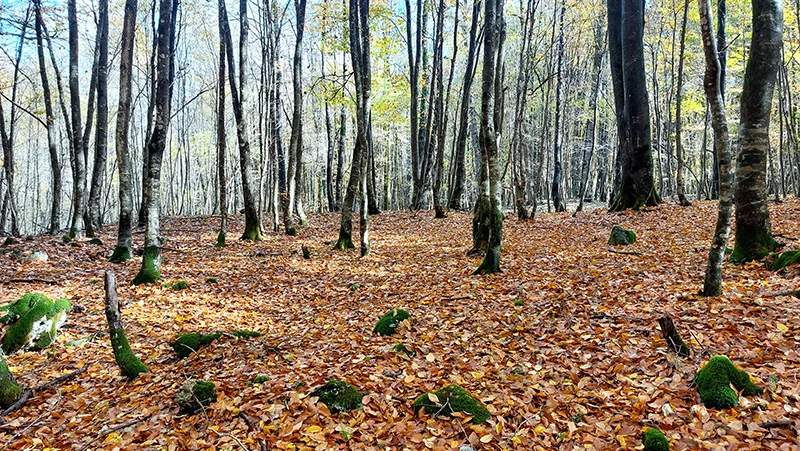
September can still feel warm in central and southern areas. By October, however, daytime conditions usually become more suitable for walking and outdoor sightseeing. November brings cooler evenings, particularly in Tehran, mountainous areas, and northern regions.
Another advantage is the diversity of experiences available during one journey. You can walk through forested landscapes in northern Iran and later explore dry desert scenery farther south. In addition, historic cities remain central to most classic Iran itineraries.
Best Places to Visit in Iran in Autumn
Choosing where to travel depends on your interests and the month of your visit. Fortunately, several of Iran’s major destinations work especially well during this season.
Tehran: Start Your Autumn Journey in the Capital
Tehran is a practical starting point for many journeys through Iran. During autumn, cooler conditions make exploring the capital easier than during the hottest summer months.
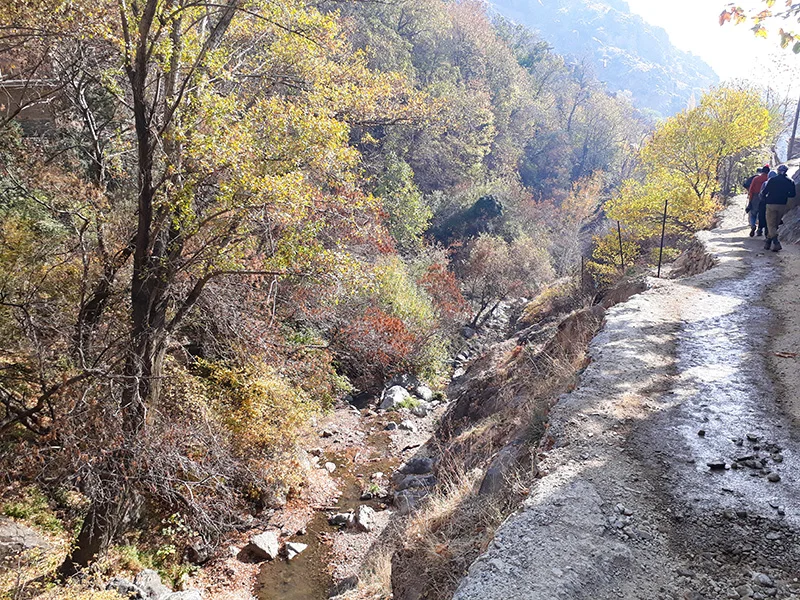
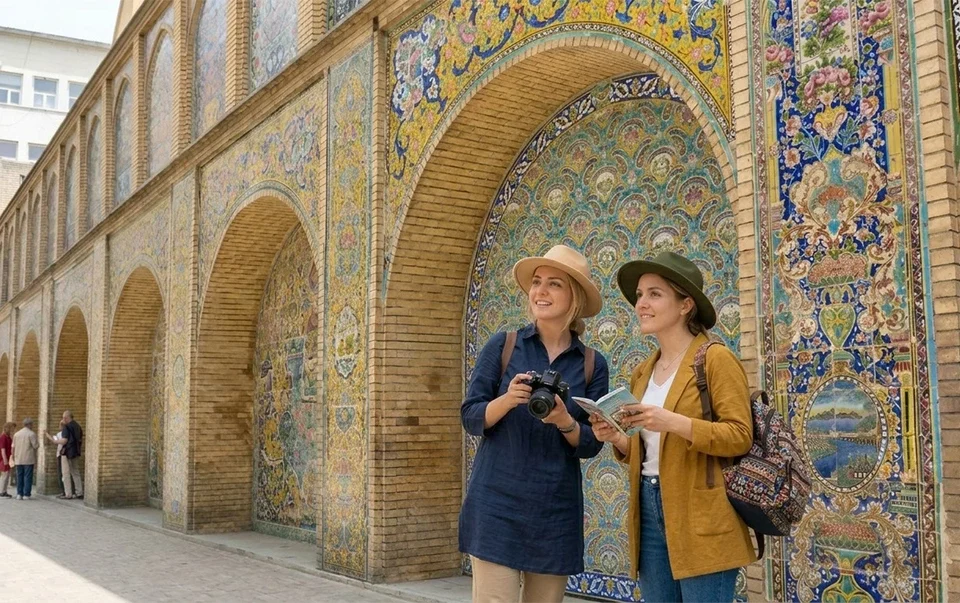
Golestan Palace is one of the city’s major historic attractions and is included on UNESCO’s World Heritage List. Travelers can also visit museums, traditional markets, and northern Tehran.
Moreover, the mountains north of the city create opportunities for day trips. Temperatures can drop noticeably in higher areas, so carrying an extra layer is useful.
Isfahan: Architecture and Pleasant Walking Weather
Isfahan deserves several days on an autumn itinerary. Its historic squares, mosques, bridges, palaces, and bazaars make it one of Iran’s essential cultural destinations.
Meidan Emam and the Masjed-e Jāmé of Isfahan are both UNESCO World Heritage properties. In autumn, travelers can spend more time exploring these sites without the intense heat of midsummer.
The season is also suitable for walking through the historic center. Moreover, cooler evenings make exploring local restaurants and shopping areas more comfortable. Our Isfahan Travel Guide provides more information about the city’s main attractions and cultural highlights.
Shiraz: Persian History and Cultural Heritage
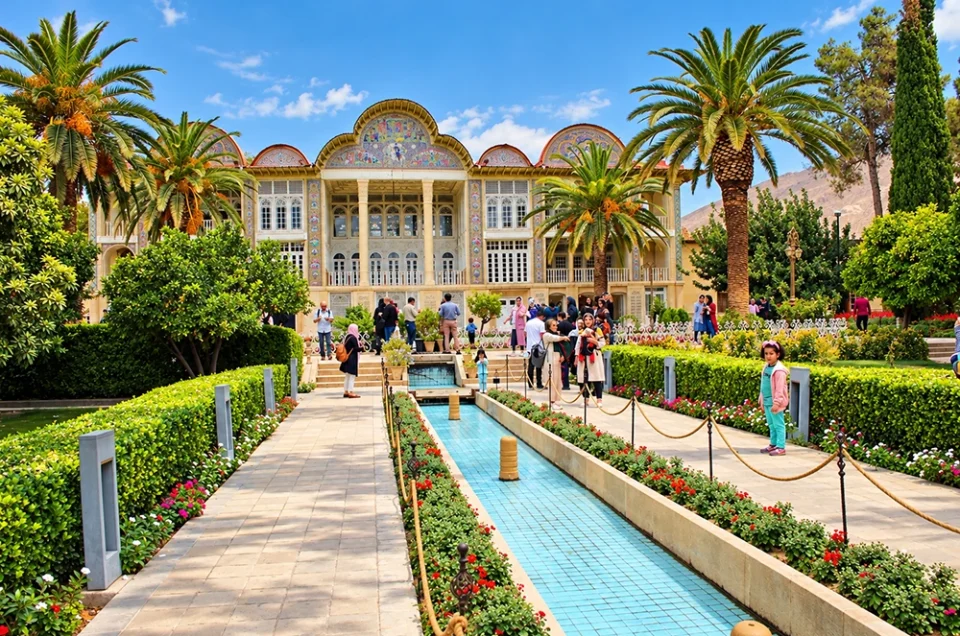
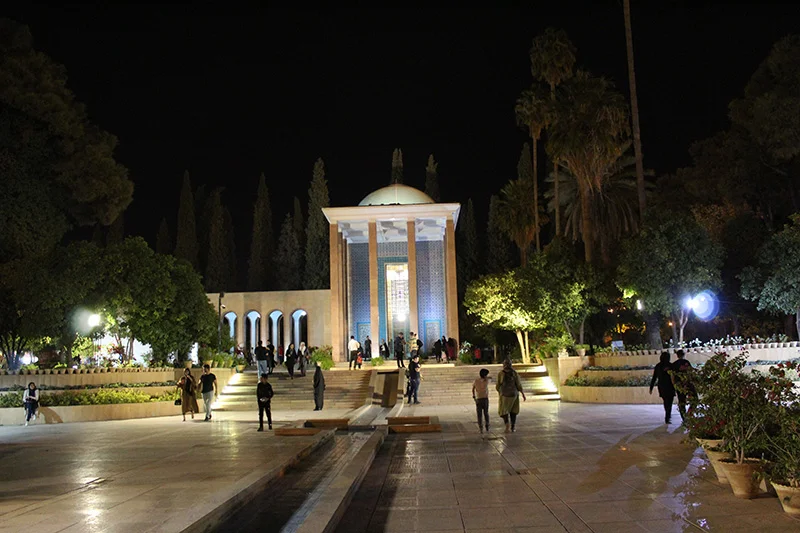
Shiraz is another excellent destination for Iran in autumn. The city is known for Persian literature, gardens, historic architecture, and its connection with nearby archaeological sites.
One of the most important excursions is Persepolis. Construction of its great terrace began around 518 BCE under Darius the Great. Today, the site remains one of Iran’s most significant archaeological locations and has UNESCO World Heritage status.
Autumn conditions make walking around the extensive archaeological area more comfortable. In addition, travelers can combine Persepolis with other historical attractions around Shiraz. Before planning your stay, explore our Shiraz Travel Guide for more ideas about what to see in and around the city.
Yazd: Historic Streets and Desert Culture
Yazd offers a different side of Iran. Its traditional architecture developed in response to the region’s dry climate, while its historic center preserves distinctive urban features.
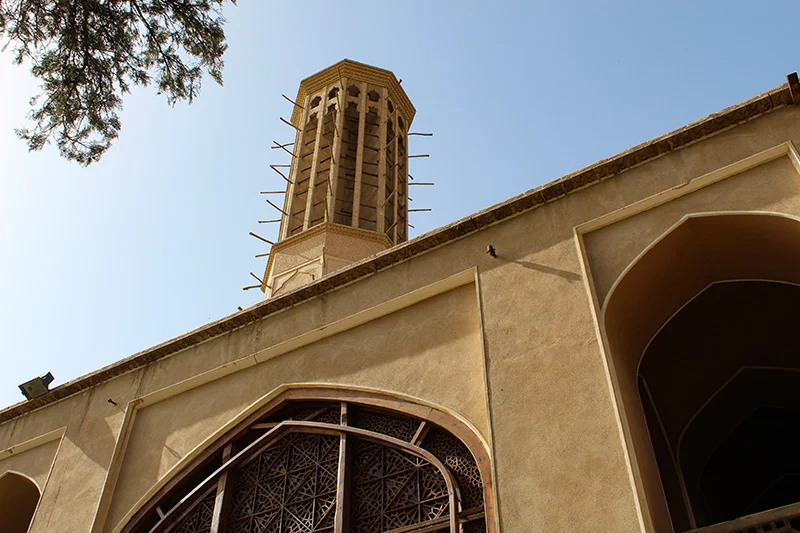
The Historic City of Yazd has been on UNESCO’s World Heritage List since 2017. Visitors can explore traditional houses, narrow streets, bazaars, religious sites, and structures associated with historic water systems.
Autumn is particularly suitable for Yazd because temperatures become more manageable. Therefore, travelers can spend more time walking through the old city and visiting nearby desert areas. Our Yazd Travel Guide offers further information for planning your time in this historic desert city.
Kashan: Historic Houses and Persian Gardens
Kashan sits conveniently between Tehran and Isfahan, making it a natural stop on many classic routes. The city is well known for historic houses, traditional architecture, bazaars, and Persian garden design.
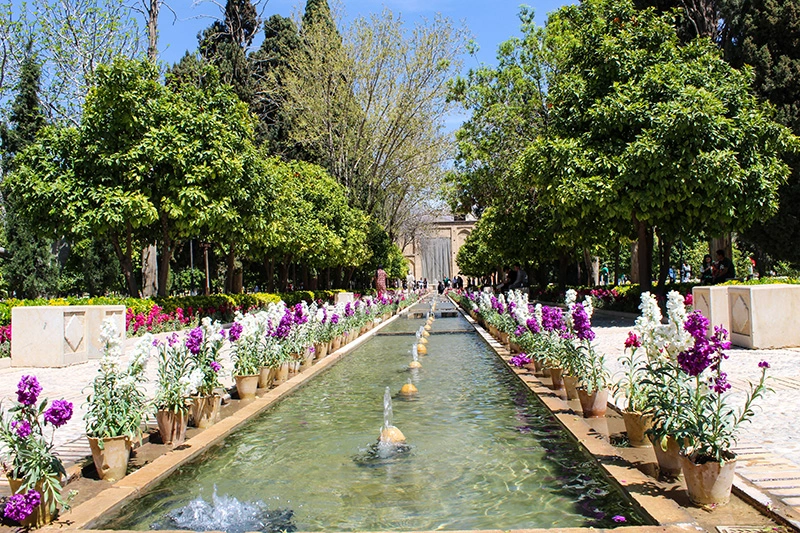
Fin Garden forms part of the UNESCO listed Persian Garden property. Its formal layout provides an interesting contrast with Kashan’s surrounding dry landscape.
Furthermore, autumn temperatures make walking around the old quarters more enjoyable. Kashan can usually fit easily into a wider cultural itinerary through central Iran.
Northern Iran: Autumn Forests and Caspian Landscapes
Travelers seeking seasonal scenery should consider northern Iran. The Hyrcanian Forests extend along the southern Caspian region and have an ecological history dating back millions of years.
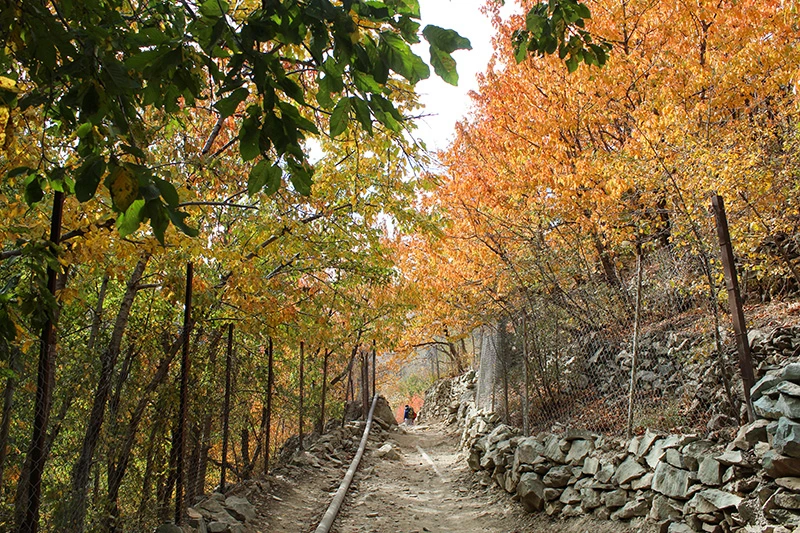
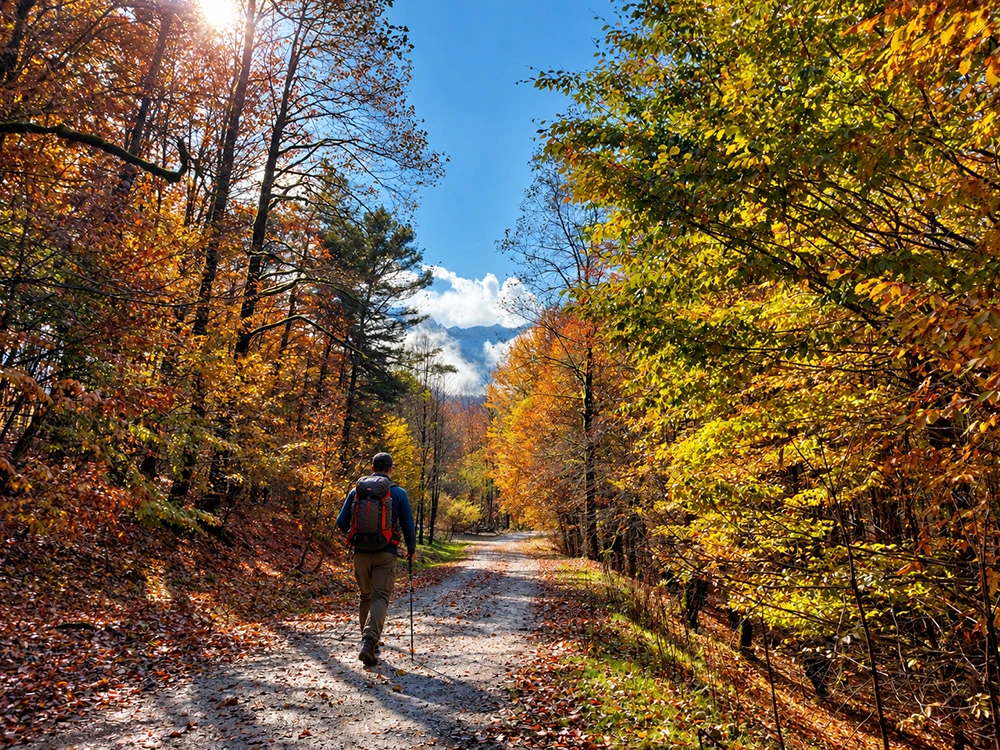
During autumn, forest landscapes can show impressive seasonal colors. Provinces including Gilan, Mazandaran, and Golestan provide access to different parts of the wider forest region.
However, northern Iran has a wetter climate than many central areas. Rain is more likely here, so travelers should prepare for changing conditions. Good walking shoes and a waterproof outer layer can be useful.
Road travel through northern Iran can also be rewarding. Mountain scenery, forest routes, villages, and Caspian landscapes offer a strong contrast to the historic cities of central Iran.
Iran’s Deserts: Better Conditions for Exploration
Autumn is also an important season for travelers interested in Iran’s desert landscapes. Summer temperatures can make desert travel difficult, while cooler months provide more practical conditions.
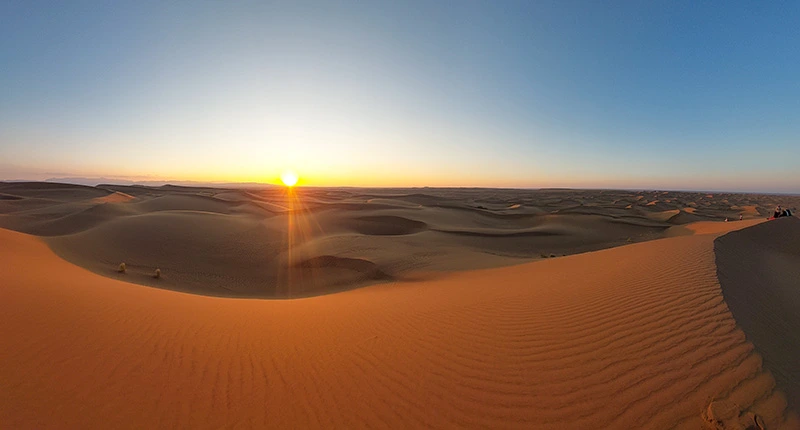
The Lut Desert in southeastern Iran is a UNESCO World Heritage property. It is known for major yardang formations, stony desert areas, and extensive dune fields.
Desert experiences can include sunset views, photography, village visits, and nights beneath clear skies. However, desert conditions can change sharply between daytime and nighttime. Therefore, suitable clothing and proper trip planning remain important.
Travelers who prefer more flexibility can choose a private Iran tour and adjust the route around their preferred cities, landscapes, and travel pace.
What to Experience During Autumn in Iran
A good autumn journey should include more than famous monuments. Seasonal travel also creates opportunities to experience everyday culture, regional cuisine, and different landscapes.
Explore Traditional Bazaars
Iranian bazaars remain important places for commerce and social life. In cities such as Tehran, Isfahan, Shiraz, Yazd, and Tabriz, travelers can explore shops selling spices, textiles, handicrafts, sweets, and everyday goods.
Moreover, bazaars provide insight into traditional urban design. Covered passages also make them practical places to explore when autumn weather becomes cooler or rainy.
Taste Seasonal Iranian Food
Food adds another dimension to autumn travel. Seasonal fruits, nuts, soups, stews, rice dishes, and local sweets appear across different regions.

Pomegranates are particularly associated with the season. Meanwhile, regional cuisine changes considerably as travelers move between northern, central, and southern Iran.
Trying local dishes along the route can therefore become an important part of the journey rather than simply a break between sightseeing stops.
Enjoy Photography in Softer Autumn Light
Autumn can provide excellent conditions for travel photography. Historic buildings often look particularly striking during softer morning and late afternoon light.
Northern forests offer seasonal colors, while desert areas provide very different compositions. Furthermore, historic cities present architectural details, bazaars, gardens, and street scenes.
Photographers should plan important outdoor sites around sunrise or late afternoon when possible. These hours often provide better light and more comfortable temperatures.
What Is the Weather Like in Iran in Autumn
Weather during autumn in Iran depends heavily on location and elevation. Iran includes Caspian coastal areas, mountain regions, central plateaus, and southern desert zones. Therefore, there is no single weather pattern for the entire country.
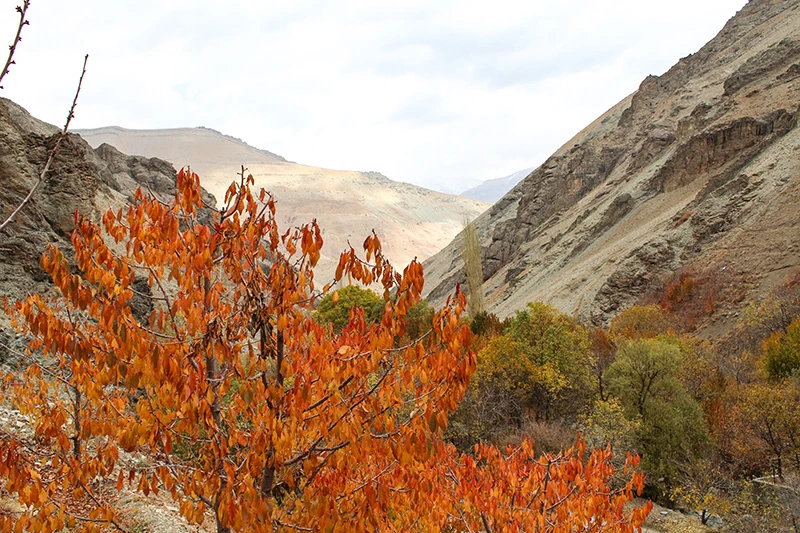
September is generally warmer, especially in central and southern regions. October often provides a comfortable balance for multi-city cultural trips. By November, temperatures can become considerably cooler in northern and mountainous areas.
Rainfall also varies. The Caspian region receives much more precipitation than much of central Iran. As a result, travelers visiting several regions should pack for different conditions.
For a broader comparison between seasons, read our Best Time to Visit Iran guide before choosing your travel dates.
What to Pack for an Autumn Trip to Iran
Packing layers is usually the most practical approach. Bring comfortable walking shoes because many historical sites require considerable walking.
A light jacket is useful for cooler evenings. Later in the season, warmer clothing becomes more important, particularly in northern and mountainous regions. Moreover, a rain jacket can be useful if your itinerary includes the Caspian area.
Travelers should also check current local clothing requirements before departure. Rules and practical conditions can change, so reviewing updated travel information before visiting is important.
How Long Should an Autumn Trip to Iran Be
The ideal duration depends on the number of destinations you want to visit. A shorter itinerary can focus on Tehran, Kashan, Isfahan, and Shiraz. However, adding Yazd creates a more complete central Iran route.
Travelers interested in northern forests or desert regions should allow additional time. Long driving distances mean that adding too many destinations can make the journey rushed.
Travelers who prefer fixed departure dates and a shared travel experience can explore our small group tours in Iran. These tours provide planned routes while allowing travelers to experience Iran with a small number of fellow guests.
Alternatively, travelers seeking greater flexibility can choose a tailor made Iran tour based on their available time, interests, and preferred destinations. Therefore, the route can focus more closely on history, nature, photography, food, or other personal interests.
Iran in Autumn: A Season for Culture, Nature, and History
Iran in autumn gives travelers access to several very different experiences within one journey. Historic cities become more comfortable for walking, while northern forests display seasonal scenery. At the same time, desert regions become more practical to visit after the extreme summer heat.
Tehran, Kashan, Isfahan, Yazd, and Shiraz can form the core of a cultural itinerary. Meanwhile, northern forests and desert landscapes can add nature and outdoor experiences.
Most importantly, autumn allows travelers to experience Iran at a comfortable pace. With thoughtful planning, the season can combine architecture, archaeology, food, nature, and local culture in one rewarding journey.
FAQ
Is Autumn a Good Time to Visit Iran
Yes. Autumn generally brings milder temperatures across many parts of Iran. October is particularly useful for travelers planning multi-city cultural itineraries. However, weather varies considerably between northern, central, southern, and mountainous regions.
What Are the Best Places to Visit in Iran in Autumn
Popular choices include Tehran, Kashan, Isfahan, Yazd, and Shiraz. Northern Iran is also attractive for seasonal forest scenery. Meanwhile, desert areas become more practical as temperatures decrease.
What Should I Wear in Iran During Autumn
Pack layers because temperatures vary between regions and between daytime and evening. Comfortable walking shoes and a light jacket are useful. Later in autumn, warmer clothing may be necessary, particularly in northern and mountainous areas.