

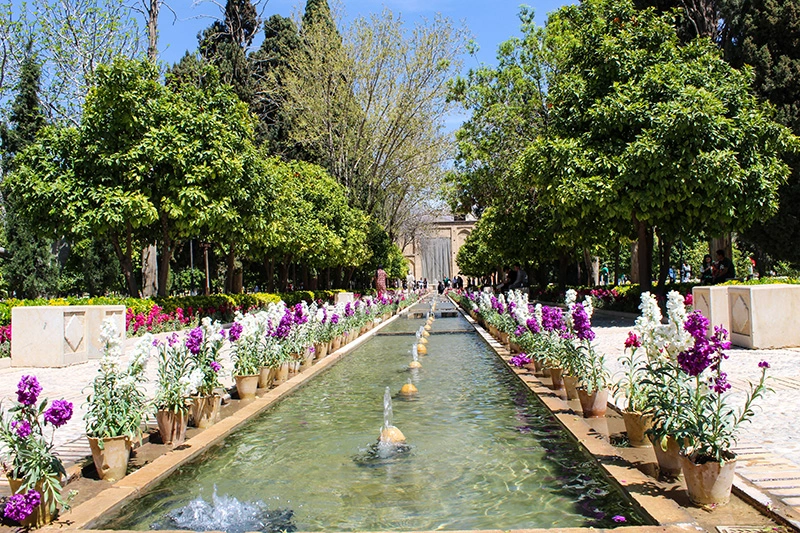
The best time to visit Iran depends on where you want to go and what you want to experience. Iran has mountains, deserts, historic cities, forests, and a long coastline. Therefore, weather conditions can differ greatly across the country.
For most cultural trips, spring and autumn offer comfortable temperatures for sightseeing. However, summer works well for northern and mountainous regions. Winter also creates opportunities for desert trips and visits to southern Iran.
Choosing the right season can make your journey much more enjoyable. This seasonal guide explains what to expect throughout the year. It will also help you choose the right period for your Iran tour.
What Is the Best Time to Visit Iran
Generally, March to May and September to November are excellent periods for touring Iran. Temperatures are usually more comfortable during these months. As a result, travelers can spend more time exploring historic cities and archaeological sites.
Spring brings pleasant weather to many central destinations. Cities such as Tehran, Kashan, Isfahan, Yazd, and Shiraz fit easily into a spring itinerary. Moreover, gardens and countryside areas become especially attractive during this period.
Autumn provides another excellent travel window. The intense summer heat begins to fall, while winter conditions have not yet arrived. Therefore, September, October, and November work well for many classic cultural routes.
However, Iran covers a large geographical area. Consequently, the ideal travel month also depends on your planned route.
Visiting Iran in Spring: March to May
Spring is one of the most popular seasons for cultural travel in Iran. Days become warmer, while temperatures remain comfortable across many central regions.
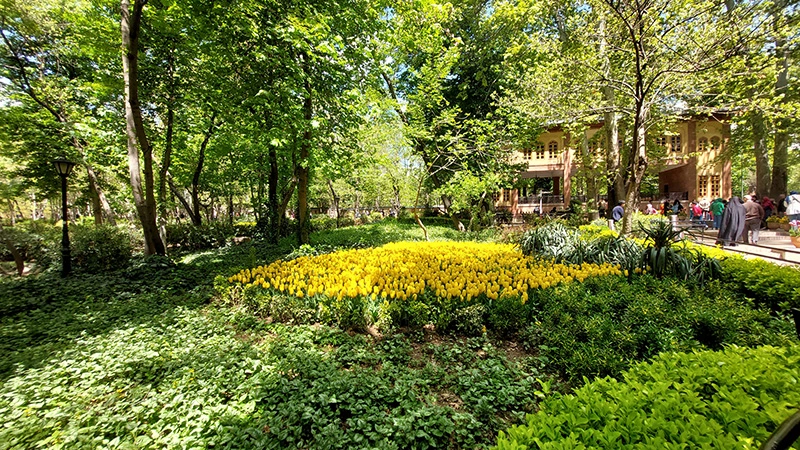
March marks the beginning of spring and the Persian New Year period. Nowruz takes place around March 20 and creates an important holiday season across the country. Families travel widely during this period, and many popular destinations become busy.
Therefore, travelers who prefer quieter sightseeing may consider April or May. These months often provide suitable conditions for visiting Iran’s major historic cities.
Iran in April and May
April is an excellent month for sightseeing in Tehran, Kashan, Isfahan, Yazd, and Shiraz. Daytime temperatures are generally suitable for walking and visiting outdoor attractions.
Meanwhile, gardens and landscapes show their spring colors. This period also works well for photography and cultural tours.
May becomes warmer, particularly in central and southern areas. However, it remains a good travel month for many routes. Northern Iran and mountain areas also become increasingly accessible as temperatures rise.
For travelers interested in Iran’s history and architecture, April and May are strong choices.
Visiting Iran in Summer: June to August
Summer in Iran can become very hot, particularly across central and southern regions. July is generally the hottest month nationally. Therefore, travelers should consider their itinerary carefully before choosing this season.
Cities such as Yazd and areas near Iran’s central deserts can experience intense daytime heat. Long outdoor visits may become uncomfortable during the middle of the day.
However, summer does not mean you should avoid Iran completely. Instead, choose destinations that suit the season.
Where to Go in Iran During Summer
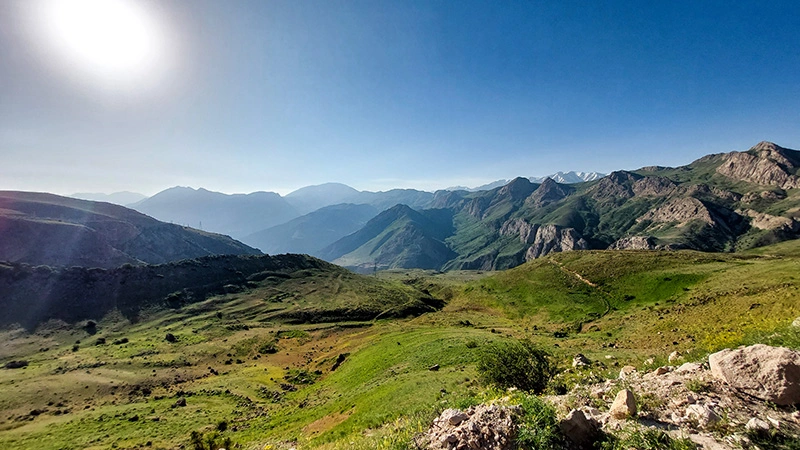
Northern Iran offers a different environment from the central plateau. The Caspian region has forests, mountains, rural areas, and a more humid climate.
The Alborz Mountains also provide opportunities for hiking and nature-based trips. Likewise, higher areas in northwest Iran can offer cooler conditions than central desert cities.
Summer can therefore suit travelers who want to focus on northern landscapes or mountain regions. Additionally, longer daylight hours provide more time for outdoor activities.
If your main goal involves classic cities such as Yazd, Shiraz, and Isfahan, consider spring or autumn instead.
Visiting Iran in Autumn: September to November
Autumn is another excellent answer to the question of the best time to visit Iran. Temperatures gradually become milder after the summer heat. Therefore, sightseeing becomes more comfortable across much of the country.
September can remain warm in some central and southern areas. However, conditions usually become increasingly pleasant as the month progresses.
October is particularly suitable for cultural itineraries. Travelers can explore historic squares, bazaars, gardens, mosques, and archaeological sites without the strongest summer heat.
November brings cooler weather, especially in Tehran and northern Iran. Nevertheless, central and southern destinations can still work well for sightseeing.
Why Choose Iran in Autumn
Autumn works especially well for travelers interested in history, architecture, and photography. The comfortable conditions make walking tours easier in many cities.
Moreover, autumn suits routes connecting Tehran, Kashan, Isfahan, Yazd, and Shiraz. These destinations form part of many classic Iran itineraries.
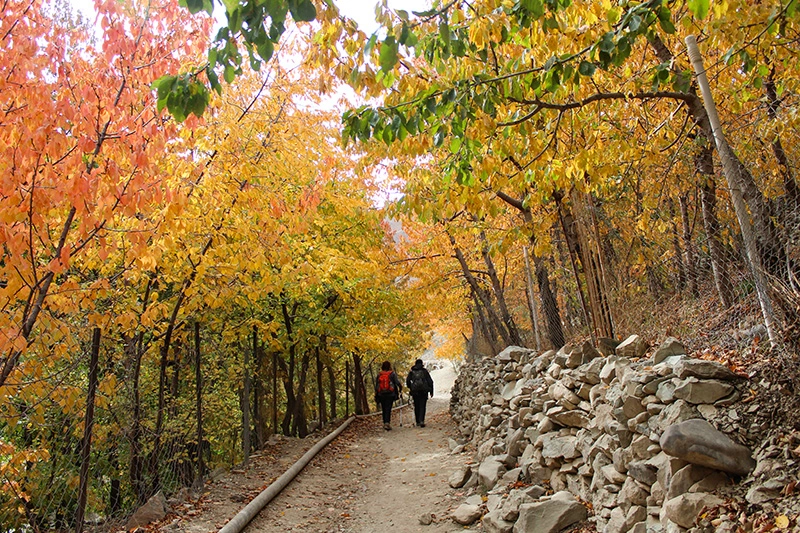
Nature also changes during this season. Forested areas in northern Iran develop autumn colors, while cooler conditions return to desert regions.
Therefore, September to November provides several options for both cultural and nature-focused journeys.
Visiting Iran in Winter: December to February
Winter creates a very different travel experience. Temperatures drop across northern and central Iran, while mountainous areas receive snow.
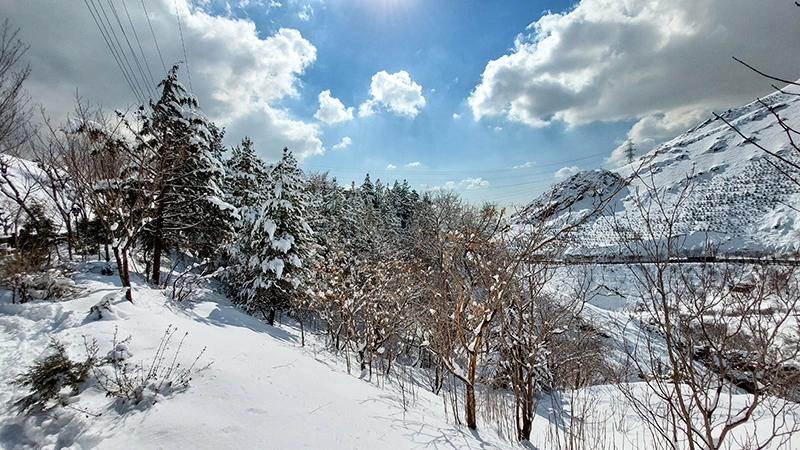
December and January are generally among the coldest months. Consequently, travelers should pack warm clothing when visiting Tehran and other northern destinations.
However, Iran’s varied geography makes winter travel possible. Southern destinations remain considerably milder than many northern regions.
Winter Travel in Southern Iran
Winter can be a good period for exploring southern Iran. The Persian Gulf region experiences much milder conditions than central and northern parts of the country.
Southern islands and coastal areas become attractive choices during the colder months. Moreover, desert regions become easier to explore when daytime temperatures fall.
Iran also has ski resorts in its mountain regions. Therefore, winter travelers can combine cultural sightseeing with seasonal activities.
Winter may not suit every itinerary. However, it offers interesting alternatives for travelers who have already seen Iran’s classic routes.
Best Time to Visit Iran for Cultural Tours
If historical sites are your priority, consider April, May, September, and October. These months generally offer favorable conditions for exploring Iran’s major cultural destinations.
For example, you can visit palaces and museums in Tehran before traveling south. Then, continue toward Kashan, Isfahan, Yazd, and Shiraz.
Comfortable weather matters on these routes because travelers often spend several hours outdoors. Sites such as Persepolis also require considerable walking.
Therefore, choosing moderate temperatures can make a major difference to your overall experience.
Best Time for Desert Travel in Iran
Iran’s desert landscapes offer a completely different side of the country. However, summer temperatures can become extremely high.
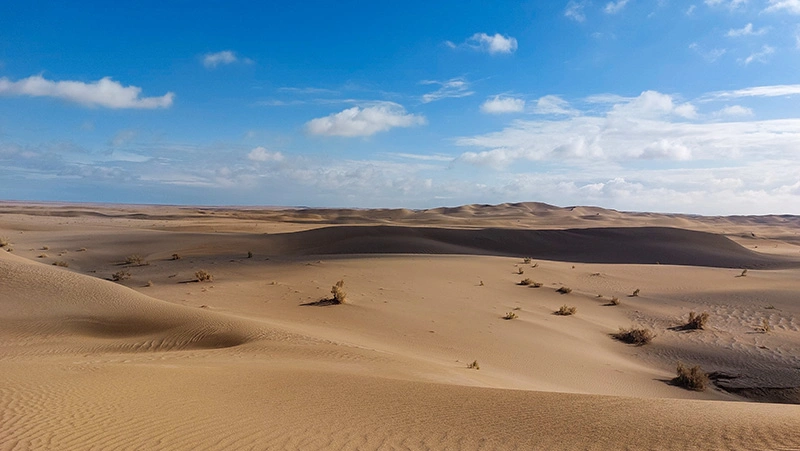
For this reason, cooler months are generally better for desert trips. Autumn and spring provide comfortable conditions for many desert areas. Winter can also work, although nights may become very cold.
October and November are particularly useful months for combining desert experiences with cultural sightseeing.
You can also include desert areas within a longer route through Kashan, Yazd, and central Iran. As a result, you can experience both historic cities and natural landscapes during one journey.
Best Time for Northern Iran and the Caspian Region
Northern Iran differs considerably from the country’s central desert regions. Forests, mountains, agricultural landscapes, and the Caspian coastline shape this part of Iran.
Late spring and summer can work well for exploring mountain roads and rural areas. However, the Caspian coast can become humid during summer.
Spring also brings greener landscapes across many northern areas. Meanwhile, autumn creates excellent conditions for forest scenery and road trips.
Therefore, travelers who focus on northern Iran should choose their dates according to specific activities rather than national weather patterns.
When Should You Plan Your Iran Tour
Before choosing your travel dates, first decide which parts of Iran interest you most. A traveler visiting Shiraz and Yazd has different weather considerations from someone exploring the Caspian region.
For a first cultural journey, spring and autumn usually provide the easiest conditions. April, May, September, and October are particularly practical months for classic itineraries.
However, summer suits some northern and mountainous destinations. Winter, meanwhile, opens possibilities across southern Iran and the desert regions.
You should also consider national holidays when planning your trip. During major holiday periods, domestic travel can increase significantly. Therefore, planning accommodation and transportation early becomes more important.
Conclusion: Choosing the Best Time to Visit Iran
The best time to visit Iran depends on your itinerary, interests, and preferred weather. For classic cultural tours, spring and autumn offer some of the most comfortable travel conditions. In particular, April, May, September, and October suit many first-time visitors.
However, every season offers different possibilities. Summer favors northern and mountainous areas, while winter suits southern destinations and desert travel. Therefore, Iran can offer rewarding experiences throughout the year when you choose the right route.
Planning your journey around the season helps you experience each destination at a suitable time. Explore our Iran tours and choose an itinerary that matches your preferred travel dates.
FAQs About the Best Time to Visit Iran
What is the best month to visit Iran
April, May, September, and October are good months for many cultural itineraries. Temperatures are generally more comfortable for exploring historic cities and outdoor attractions.
Is summer a good time to visit Iran
Summer can work well for northern Iran and higher mountain areas. However, central and southern regions can become extremely hot. Therefore, your itinerary should determine whether summer suits your trip.
Is Iran worth visiting in winter
Yes. Winter offers good opportunities for visiting southern Iran, desert areas, and ski regions. However, northern and central cities can become cold, so travelers should prepare for winter conditions.